
Origami:
It All Starts with a Single Sheet
No cutting, no gluing—just folding a single, flat square of paper to breathe infinite life and three-dimensional space into reality. There is an indescribable magic in that process.
To me, Origami is where mathematical beauty meets artistic freedom, serving as the ultimate canvas to explore and master spatial design. I invite you to explore my journey, which all begins with a single sheet.
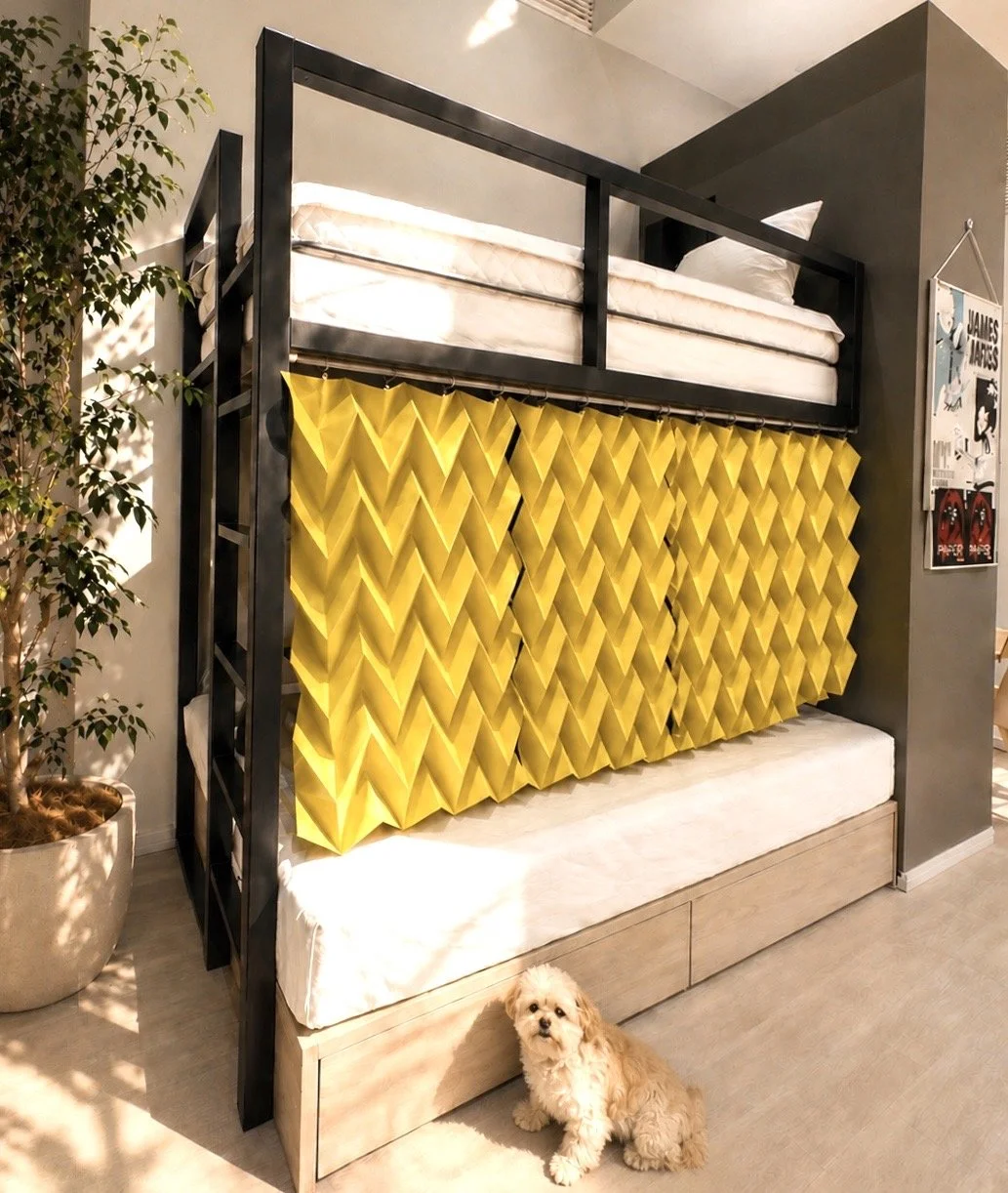
My room was unbearably bright. So I made curtains. Low cost, beautiful, and functional — they fold away when I don’t need them.
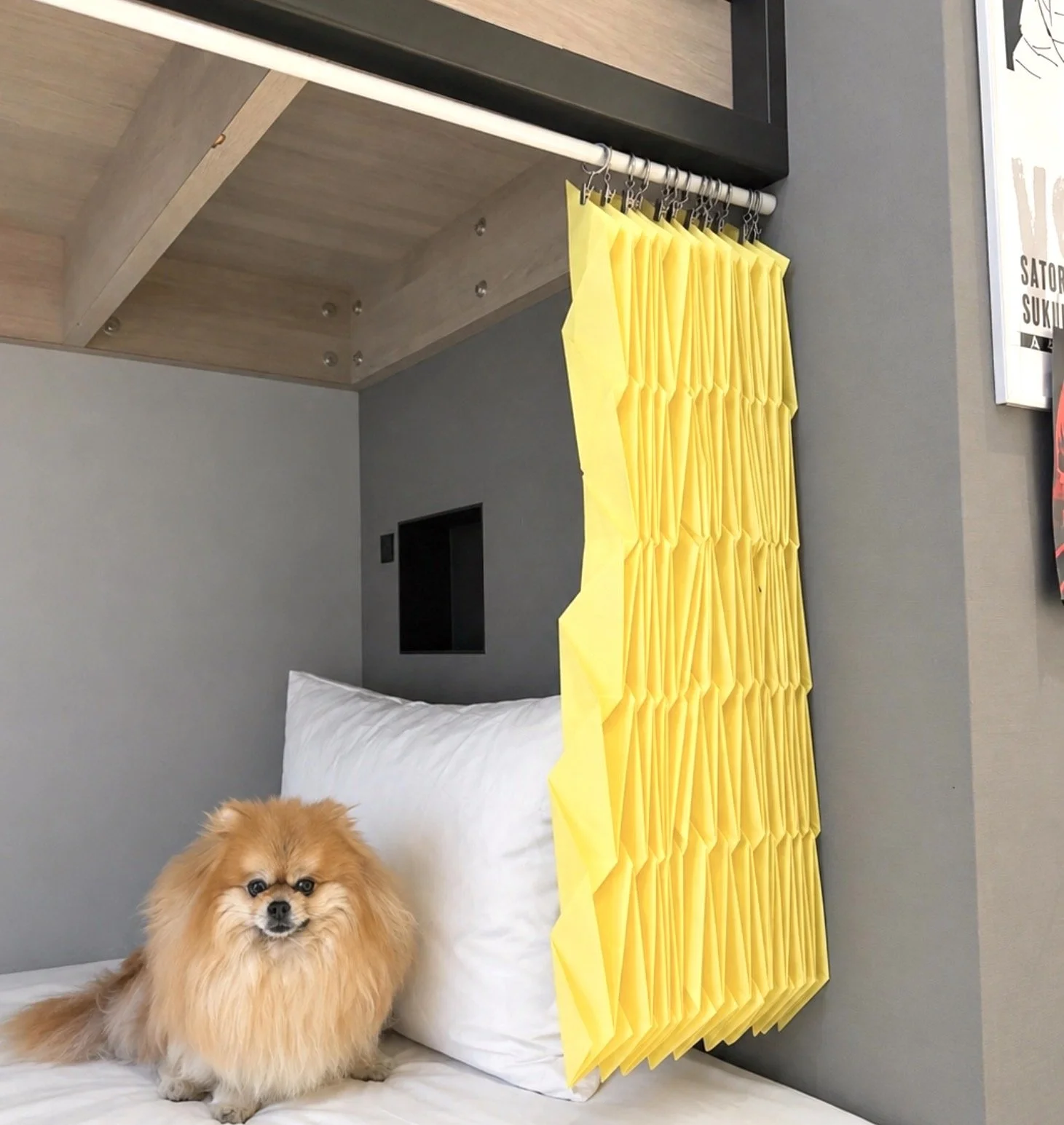
This is my second attempt — this time in Washi paper. Washi is soft like fabric, yet strong like armor. It was the perfect material.
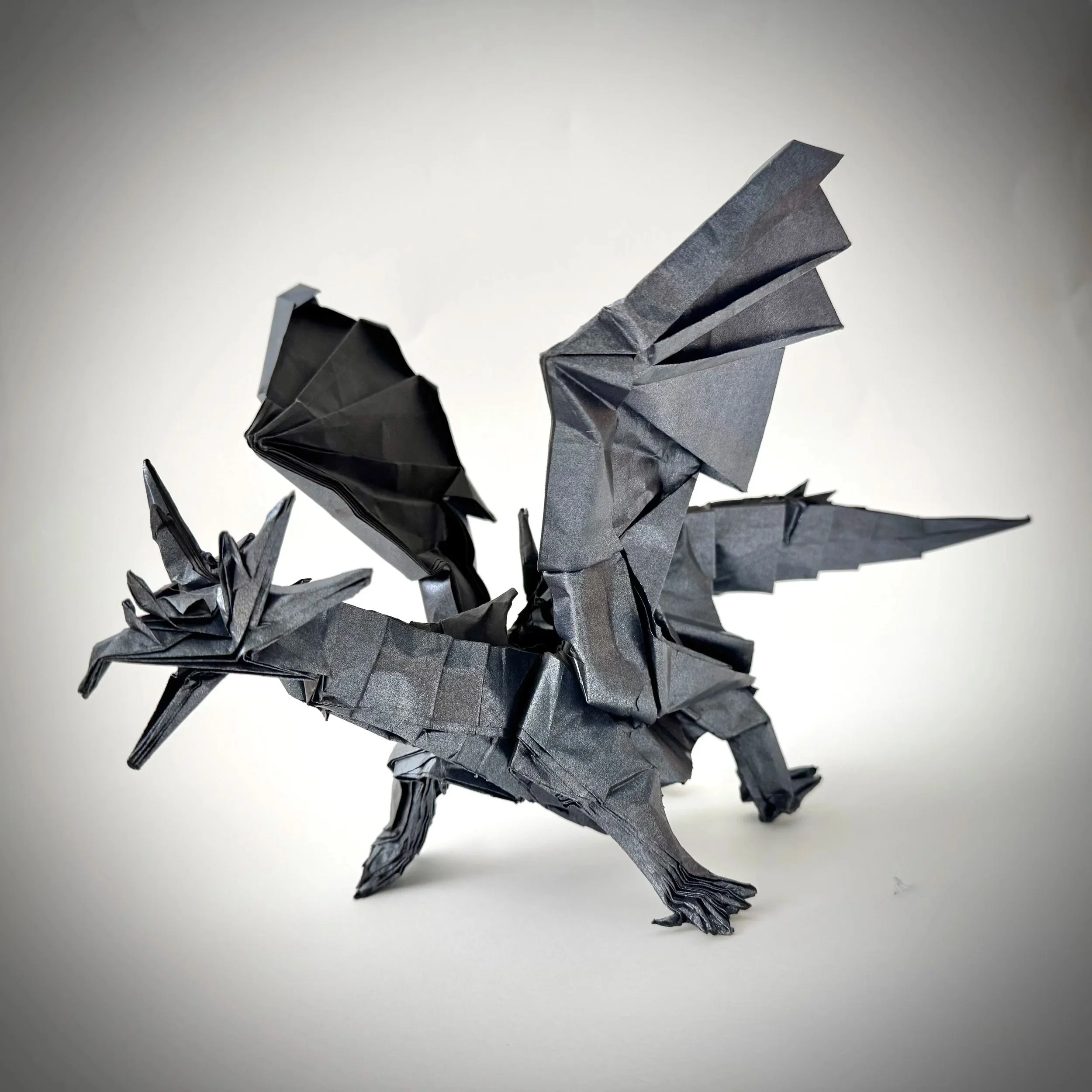
Inspired by Godzilla. Two years of failed wings and torn paper led to this moment. The metallic paper was my final choice — and it was perfect.
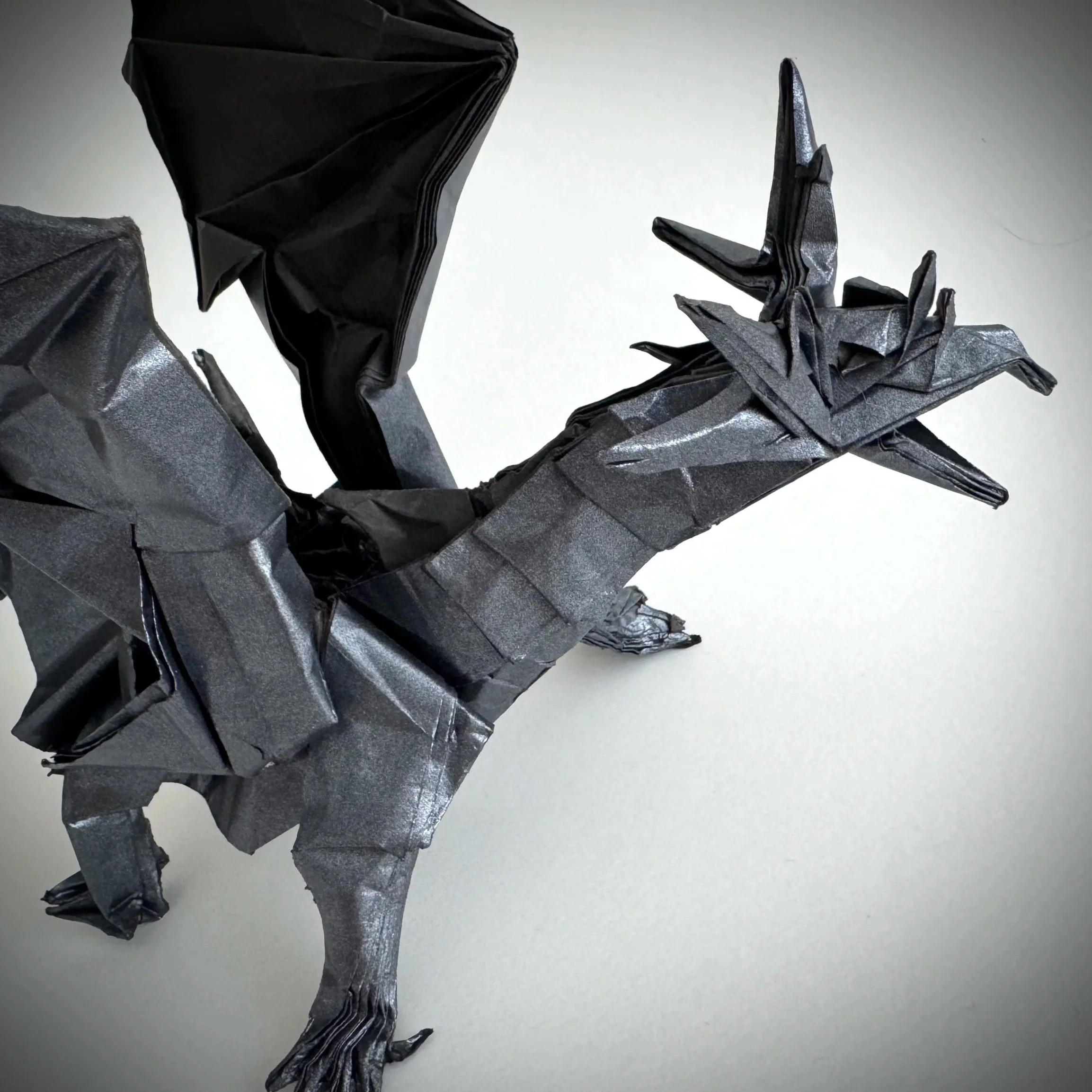
Every spike, every horn required absolute precision. One degree off and the tension collapses.
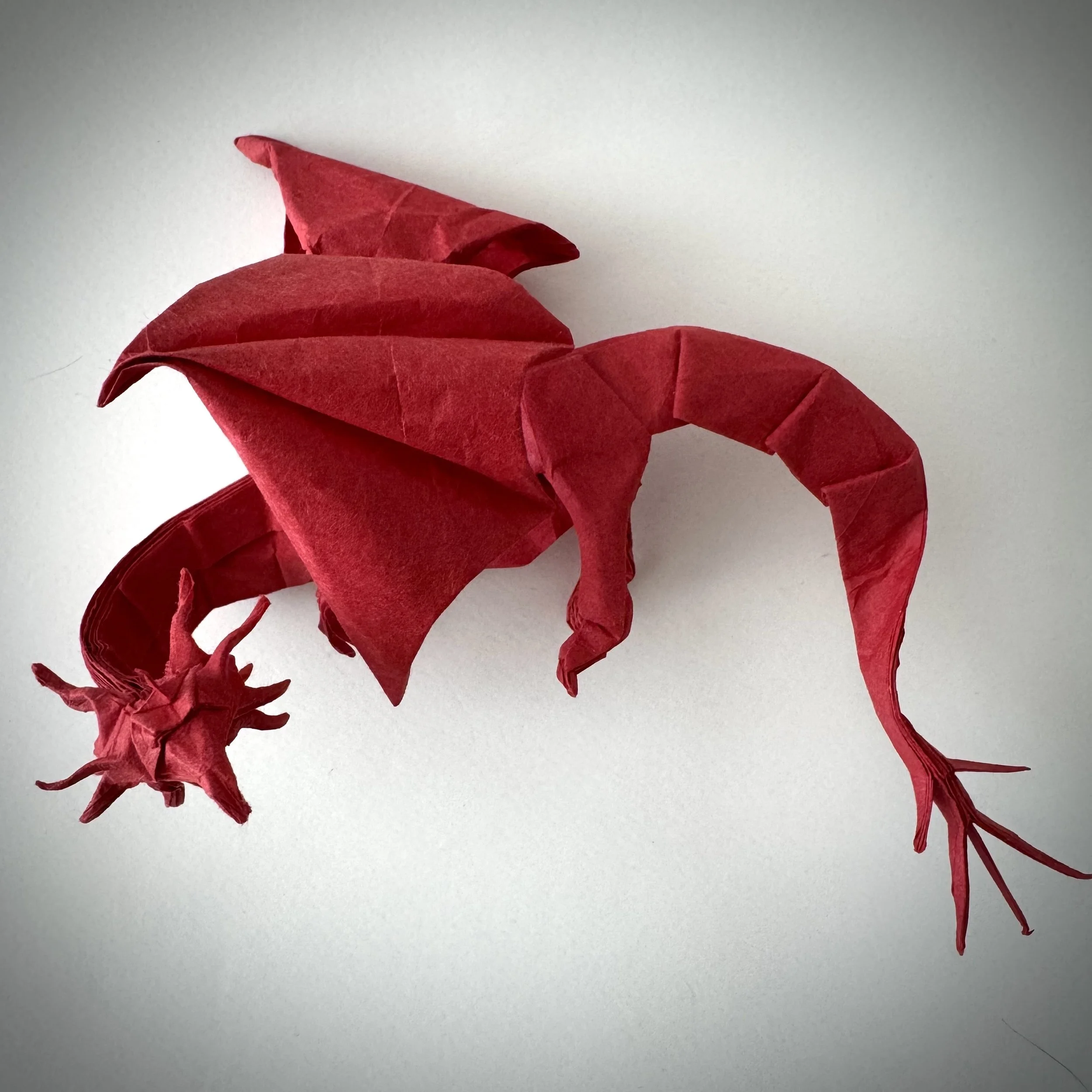
Folded from Japanese Washi paper. Its dense fibers allowed me to push each fold to the limit — no fear of tearing.
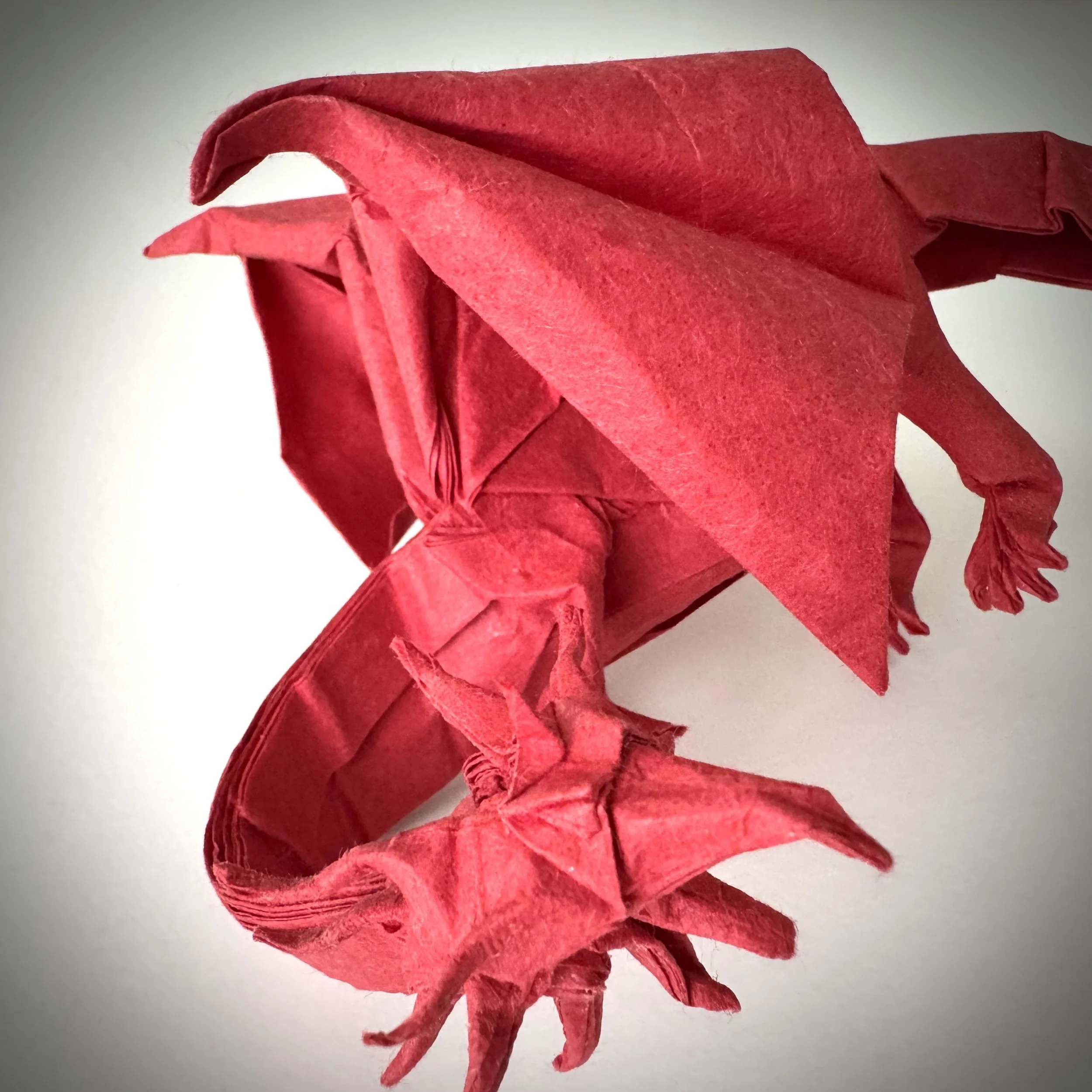
Using a pen to curve the wings and coil the tail — Washi gives the dragon a life of its own.
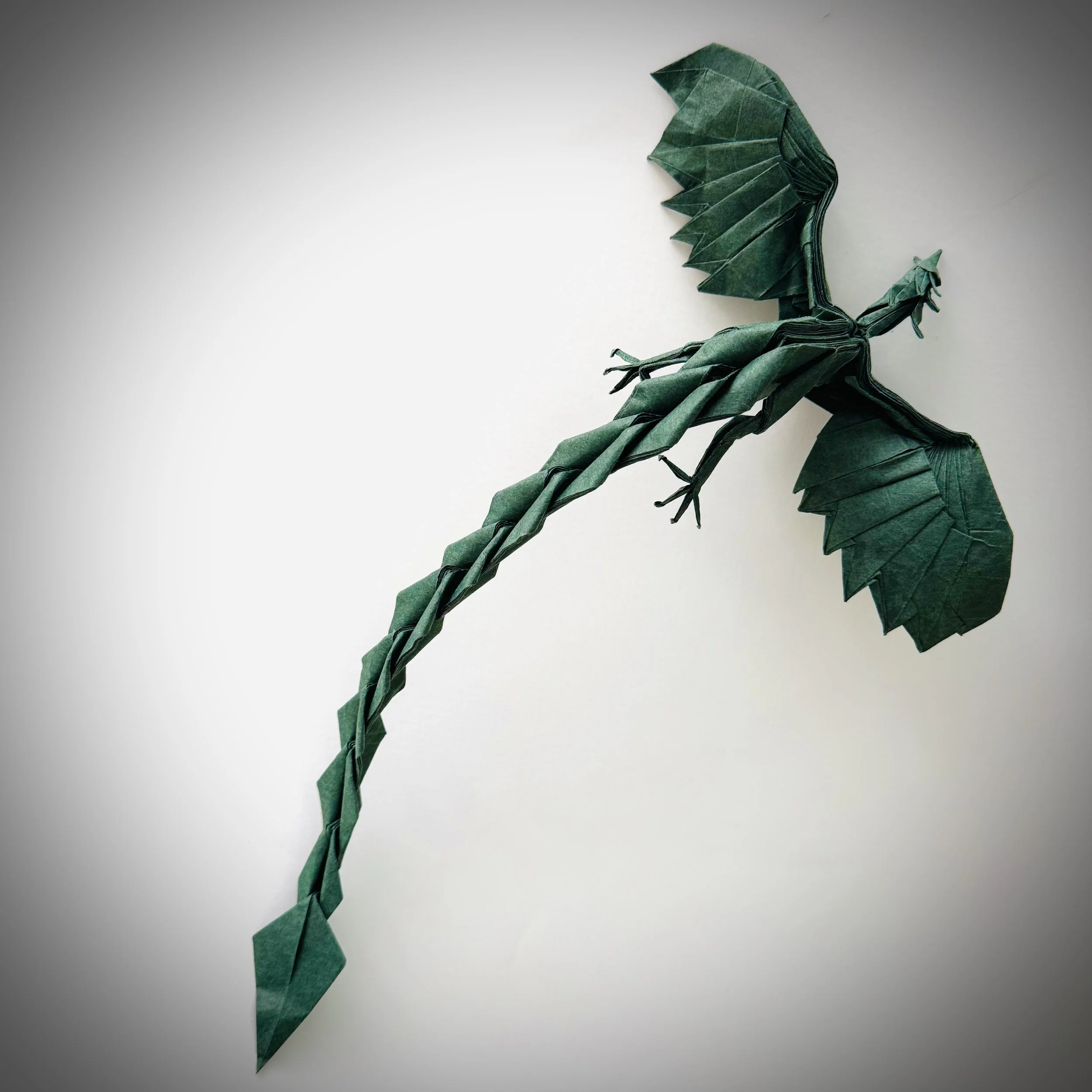
The braided tail was the moment I knew this dragon was alive.
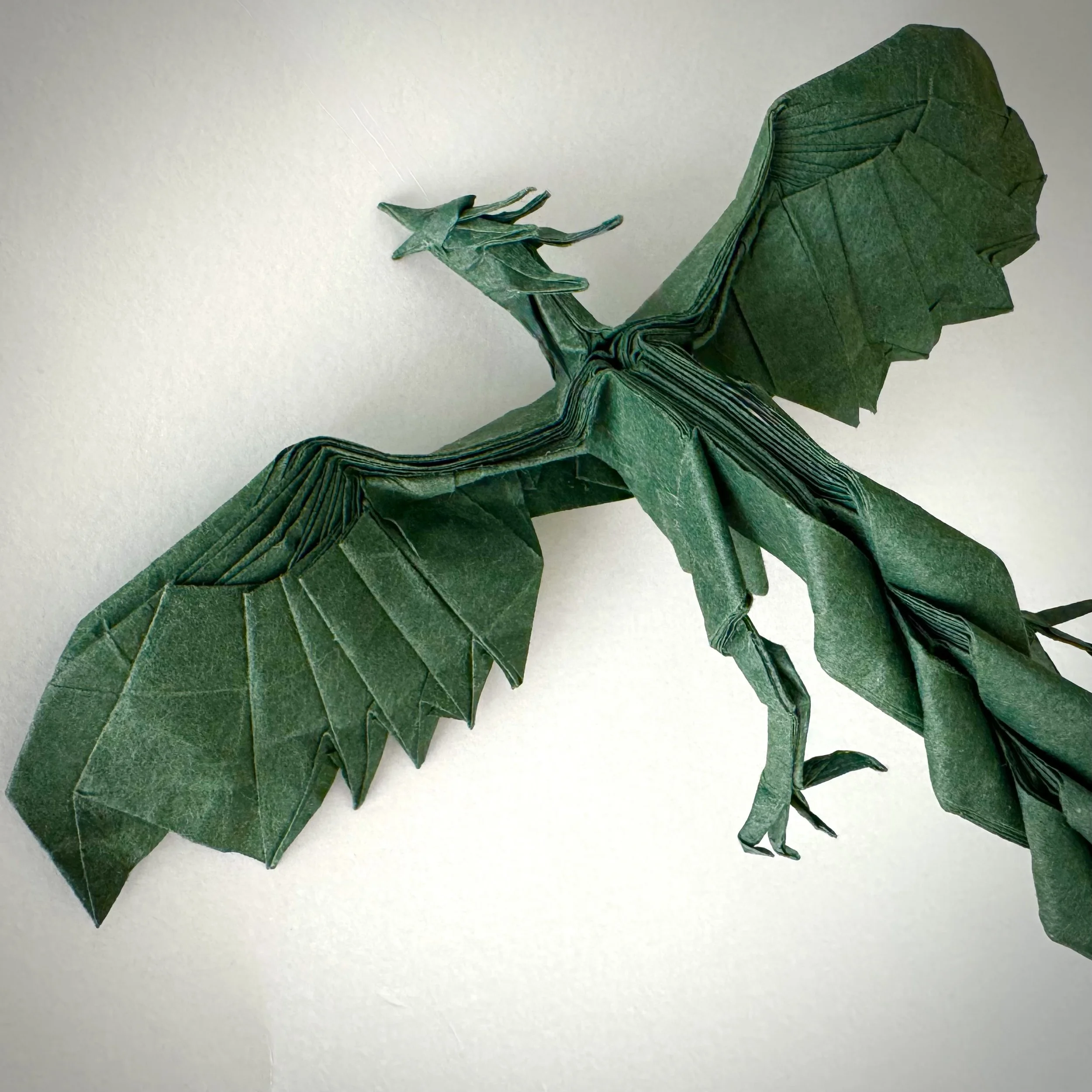
The feet were the hardest part — I failed countless times. But small details are what make the whole.
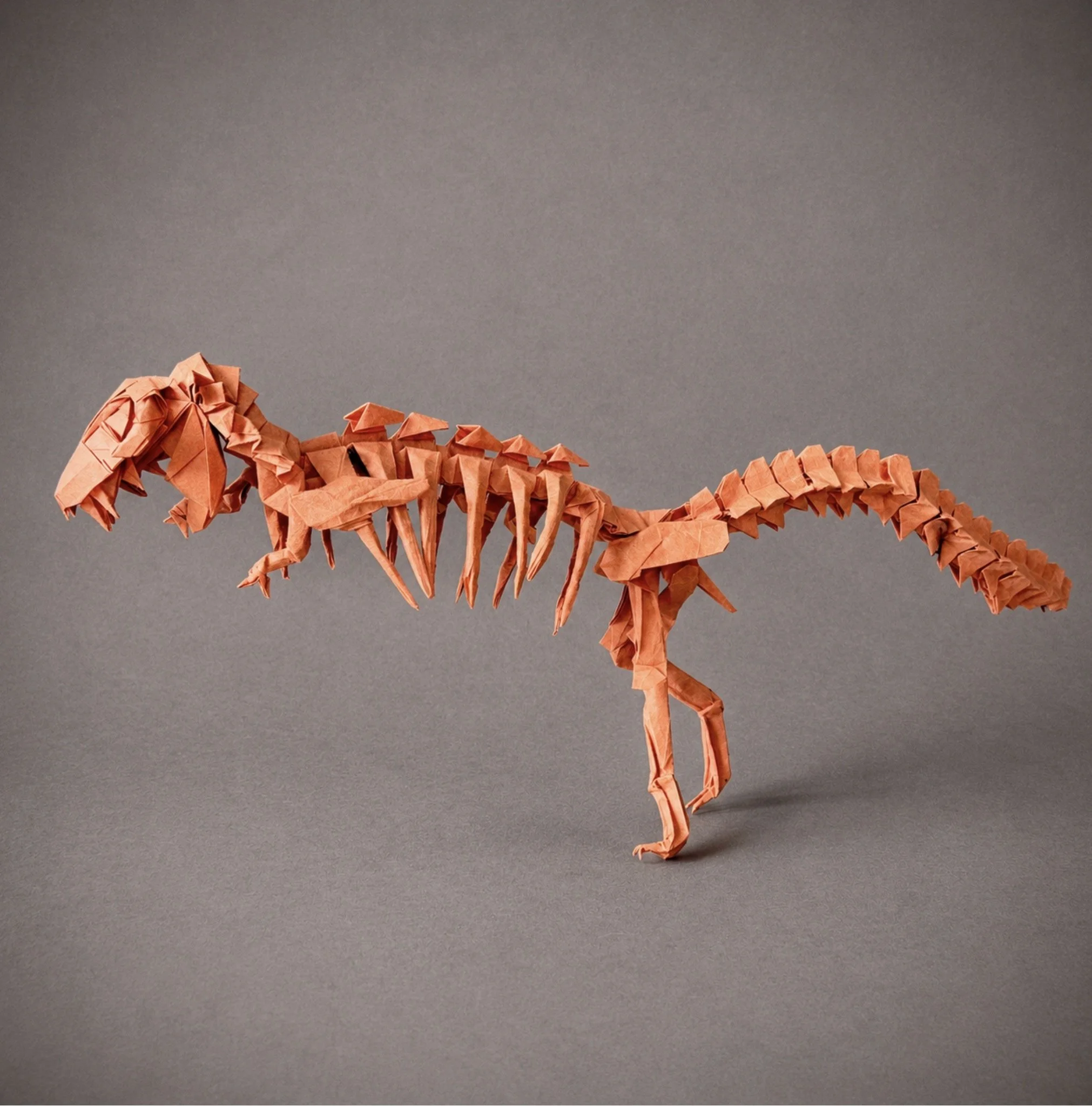
I made this T-rex skeleton from 21 squares of paper without cutting them. It took around 20 hours to fold and put everything together. Making each part separately helped me see how the bones connect.
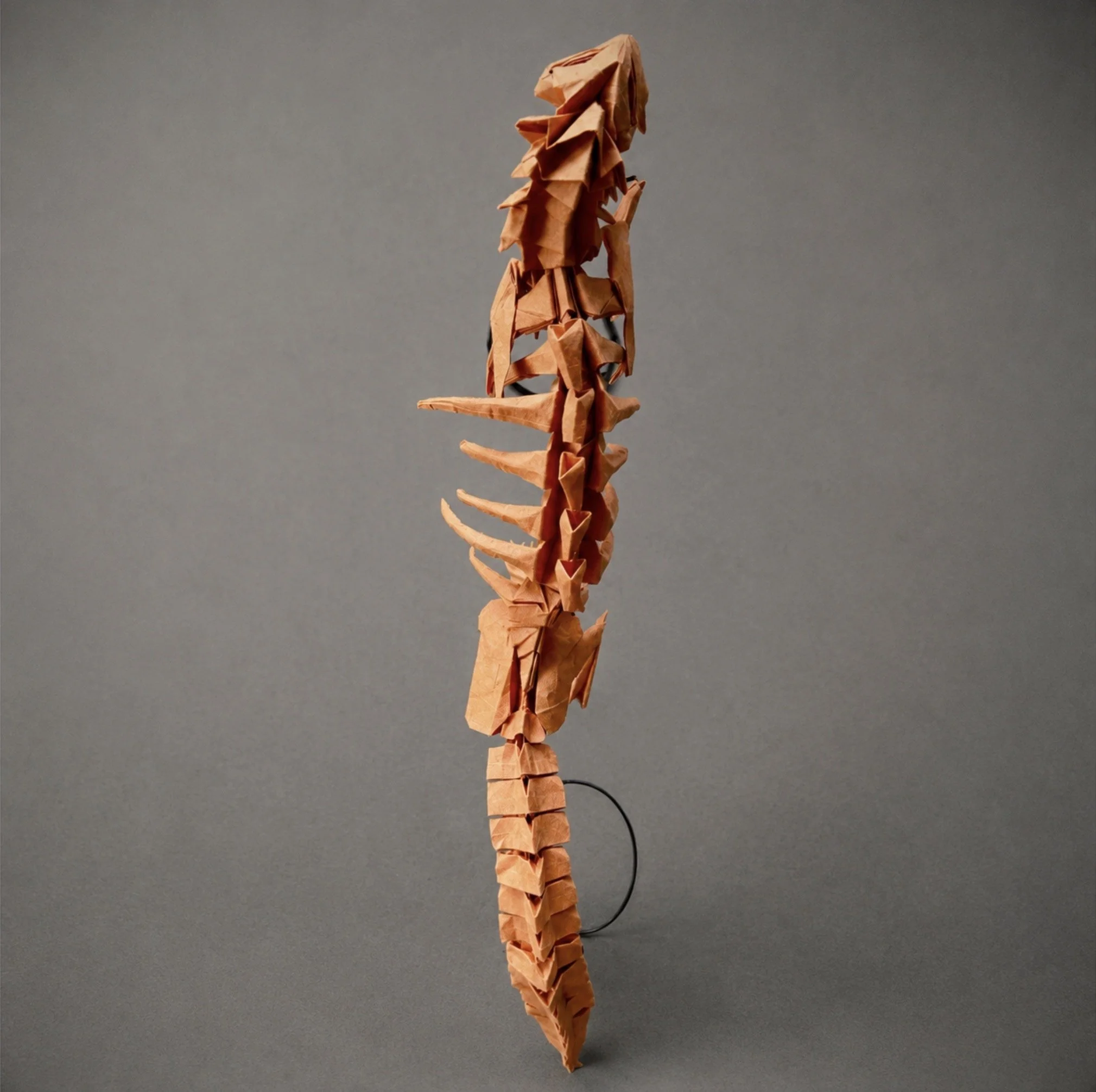
From the top, I could see the spine much more clearly. I liked seeing how the ribs and tail connected to it and how the whole structure stayed balanced.
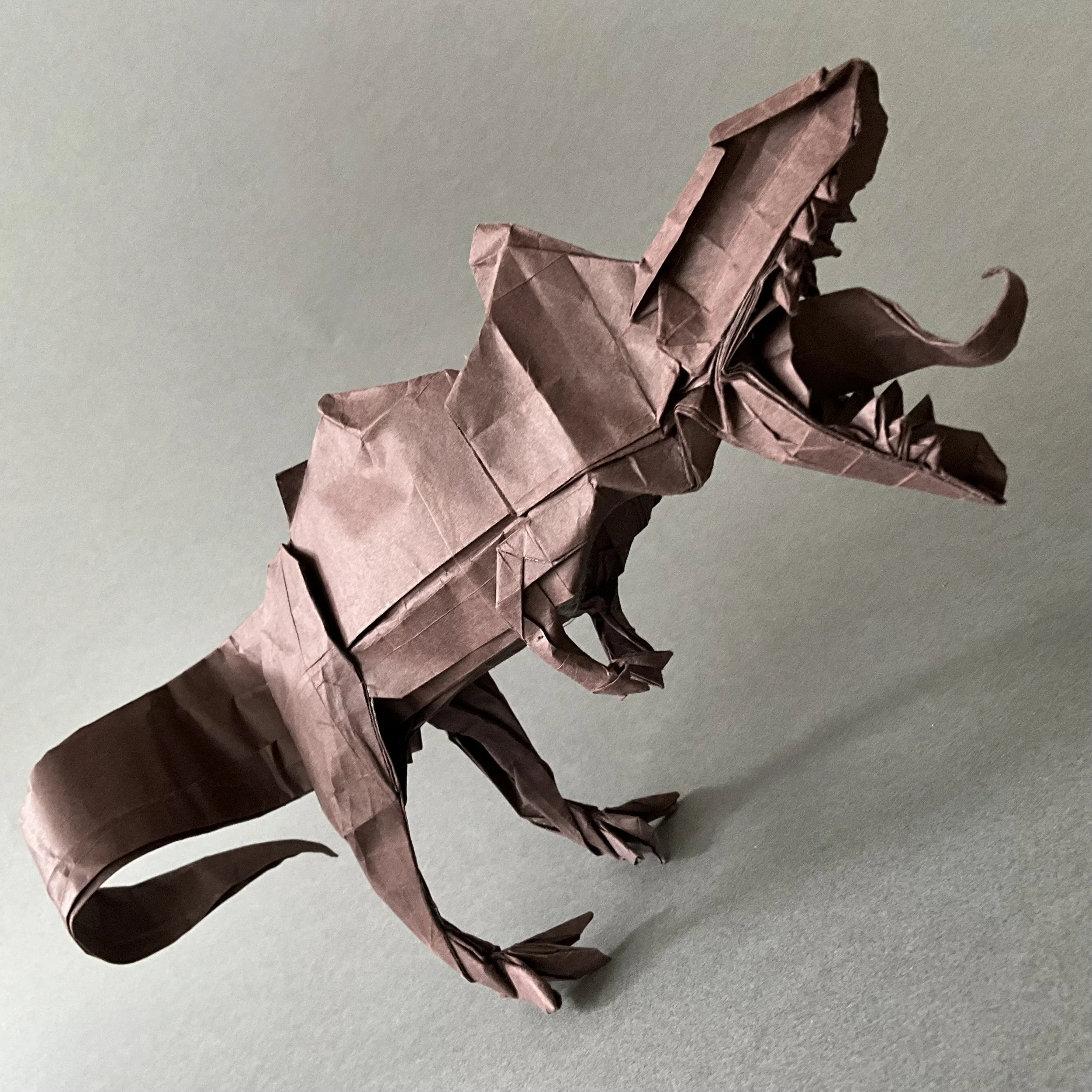
Building this model made me realize how unbalanced a T. rex actually is. Even after folding it, it still couldn't stand on its own. It made me wonder: how exactly did they manage to balance themselves in real life millions of years ago? This project left me with more questions than answers, and that’s exactly why I love doing this. That sense of curiosity is what drives me to keep exploring how things work.
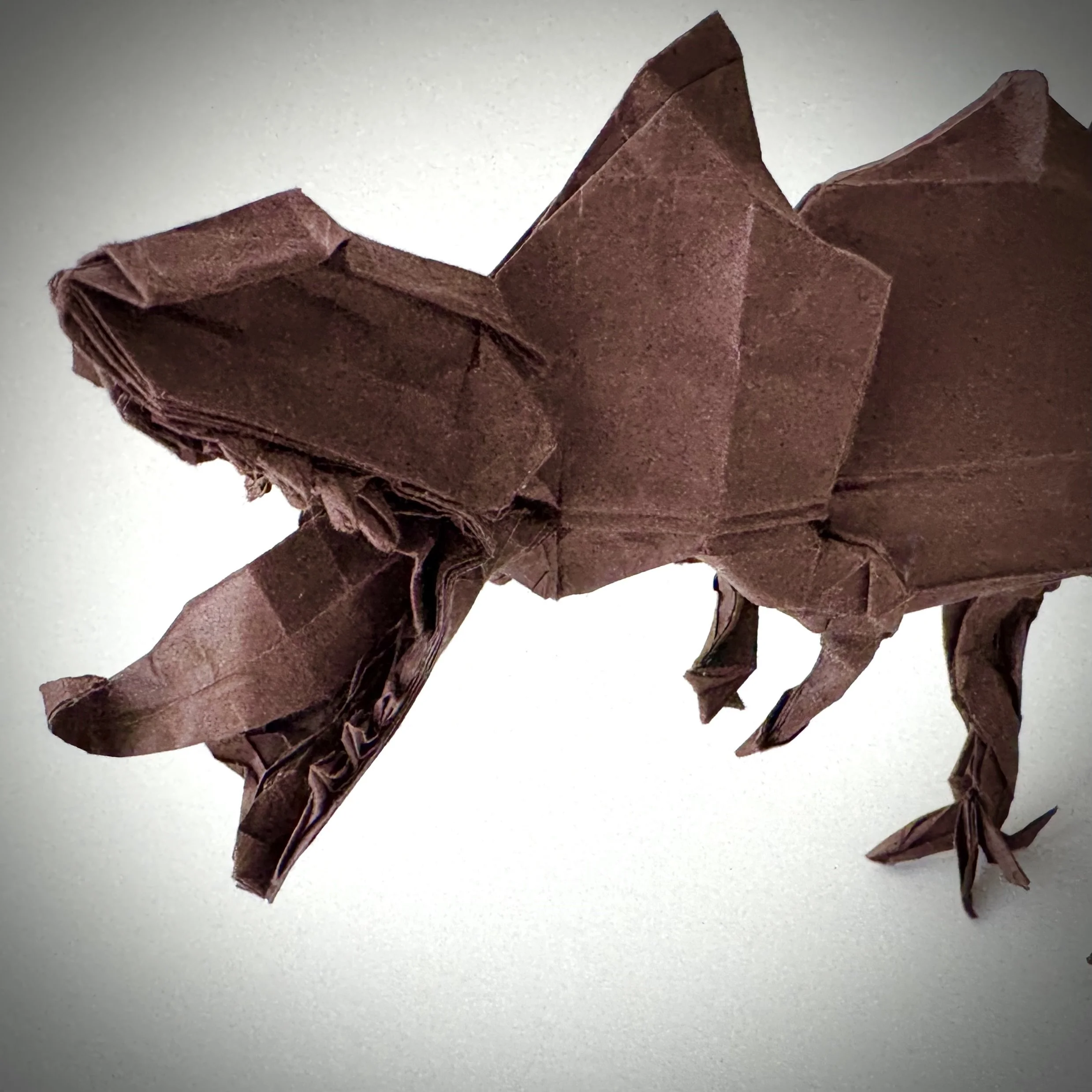
That tongue. I don’t know why, but I love him for it.
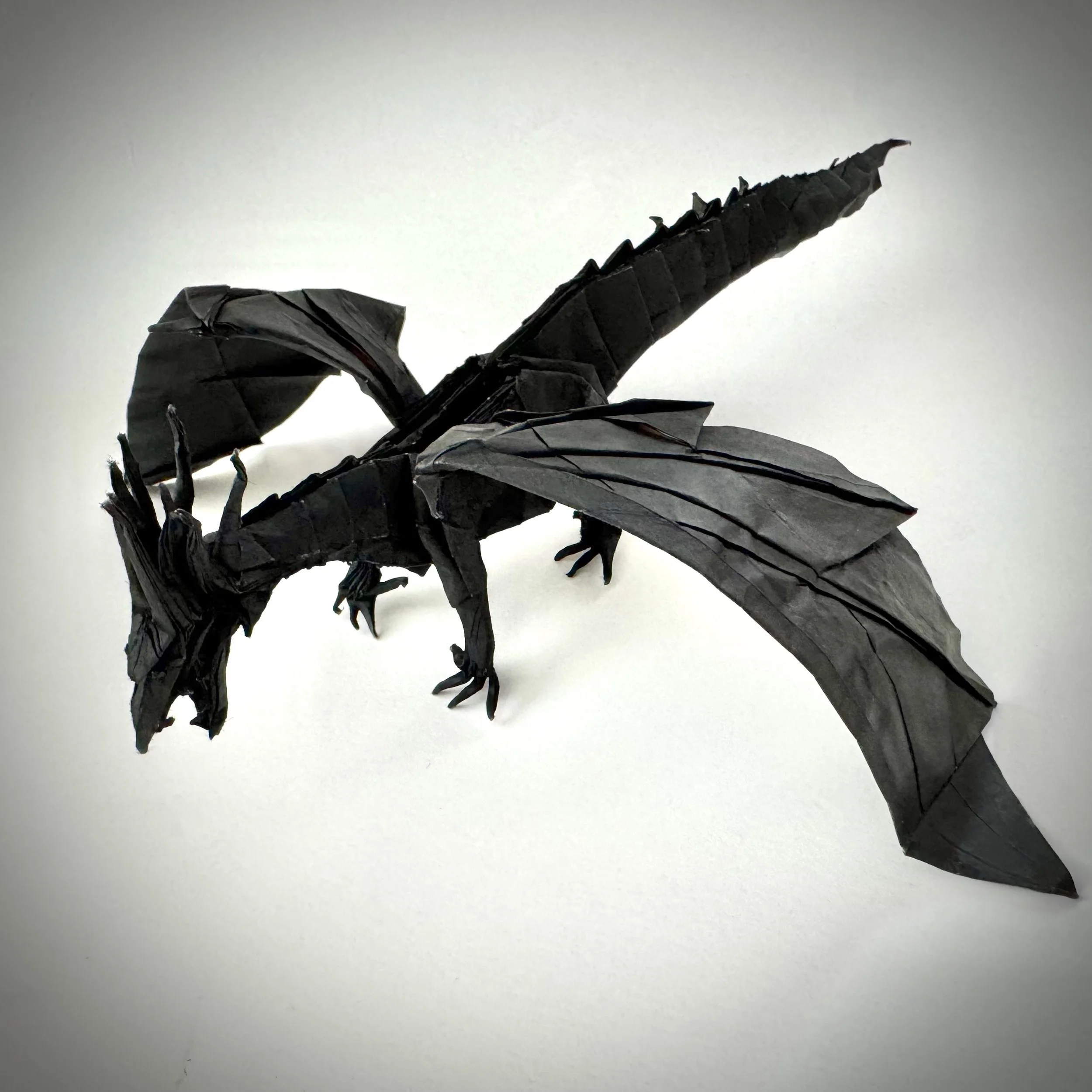
Black is the hardest color to fold. You cannot see the crease lines — every fold is made from memory and instinct.
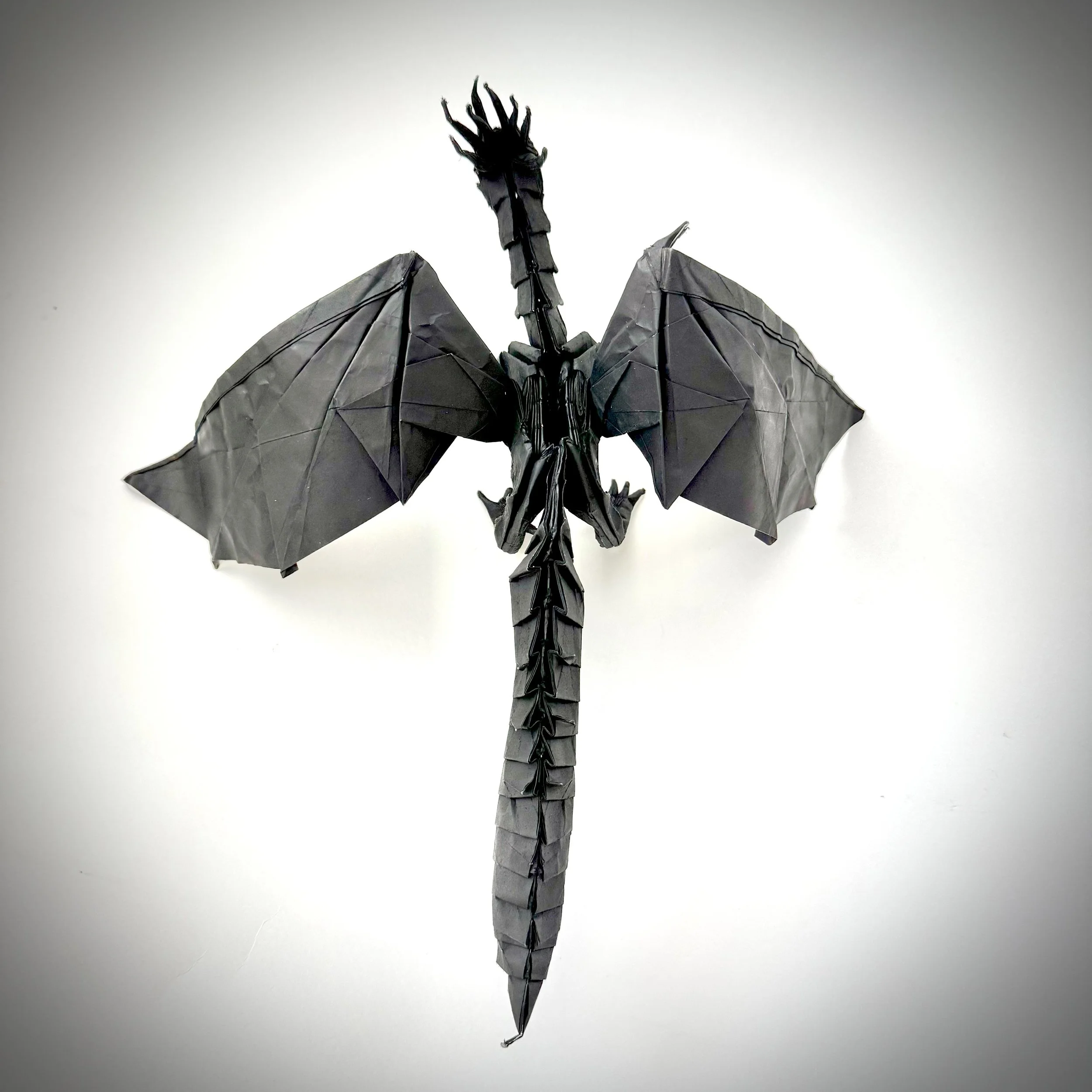
I scratched small lines into the wings with my fingernail to make the veins show more.
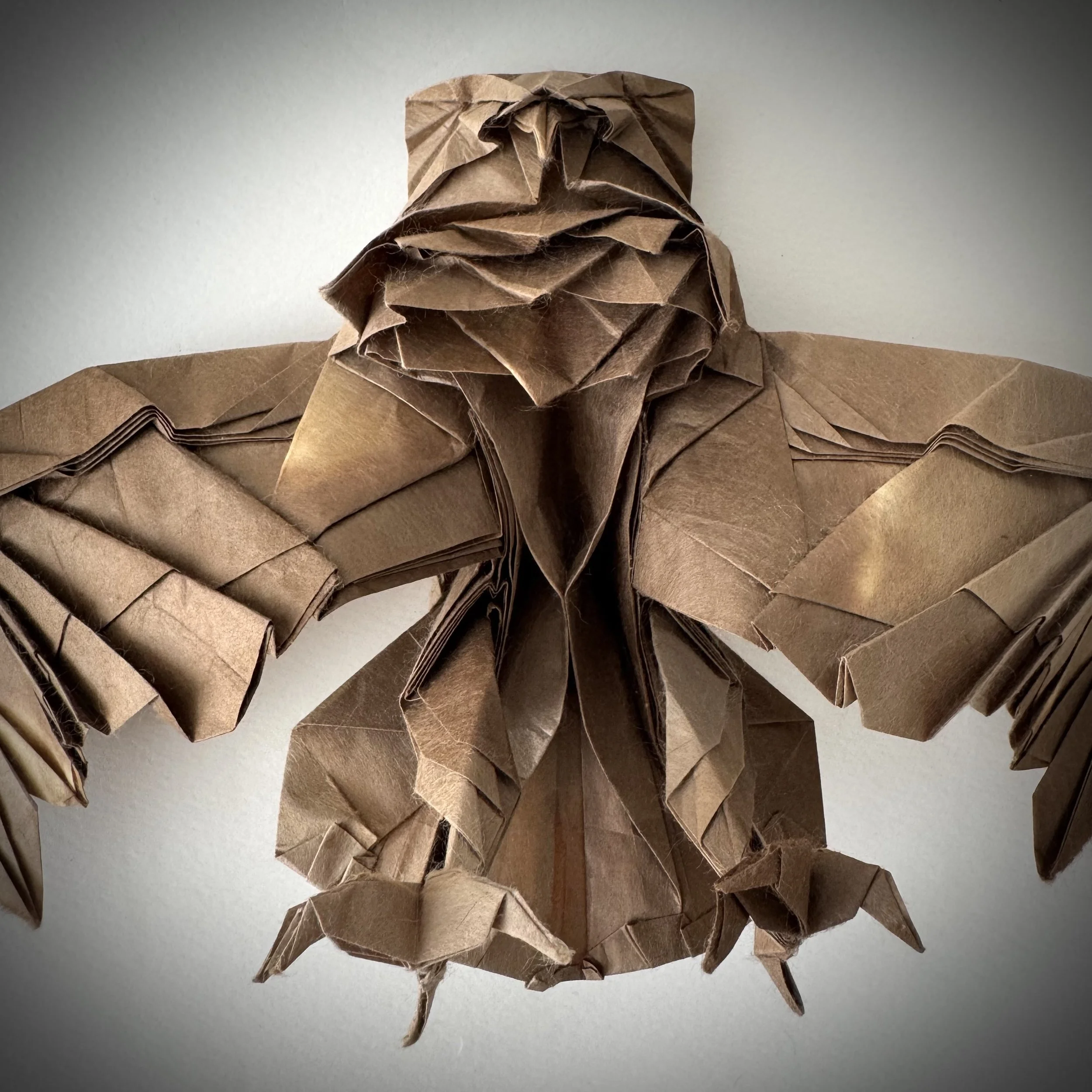
The chest tore again and again. The secret: prepare every mountain and valley fold from the beginning, so the joins ease into each other naturally.
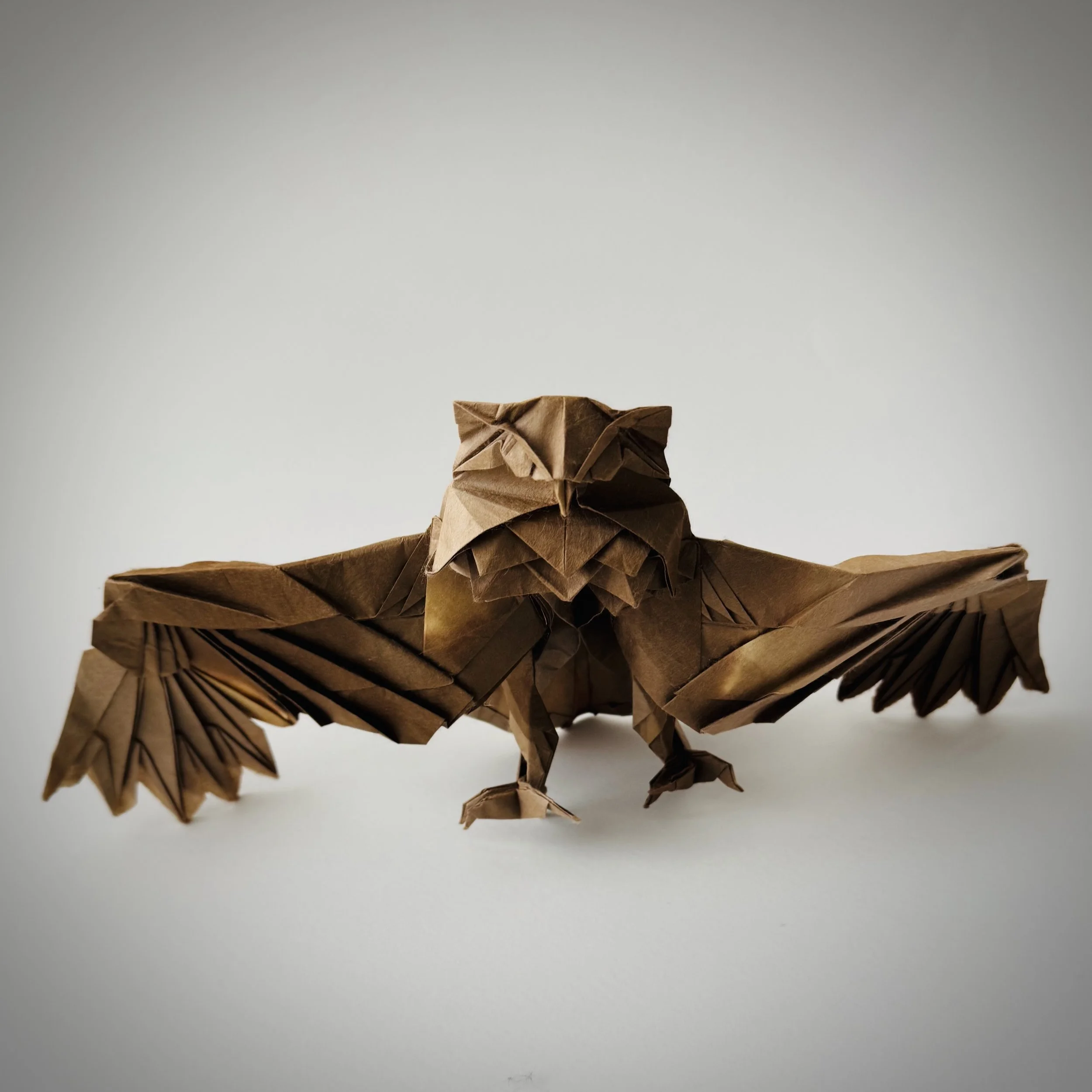
Among origami artists, this owl is known as one of the hardest. The first time I saw those chest feathers, I had no idea how they were even possible.
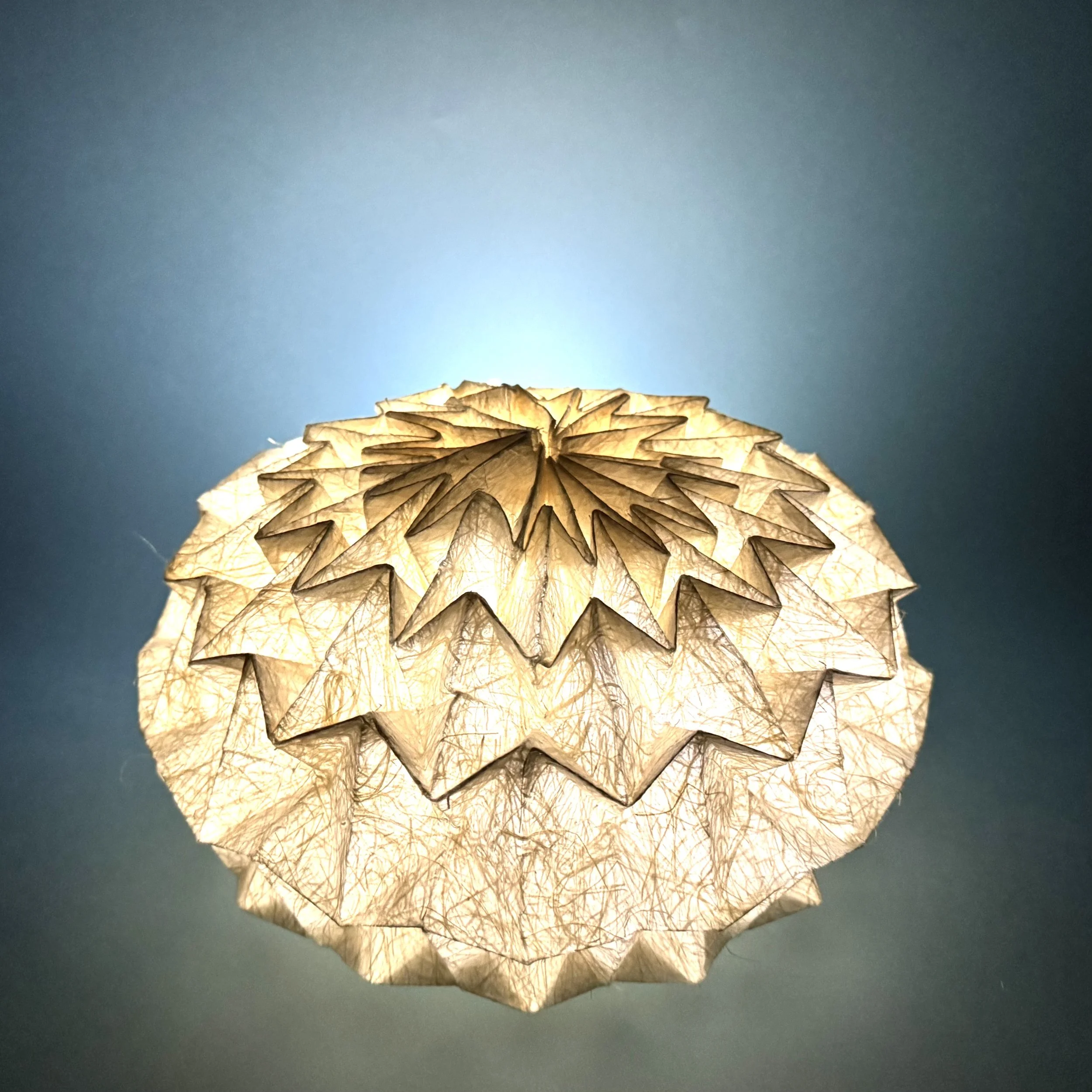
A Magic Ball fold — but made with Washi embedded with hemp fiber. When I folded it, the fibers pricked like thorns. I made gloves to protect my hands
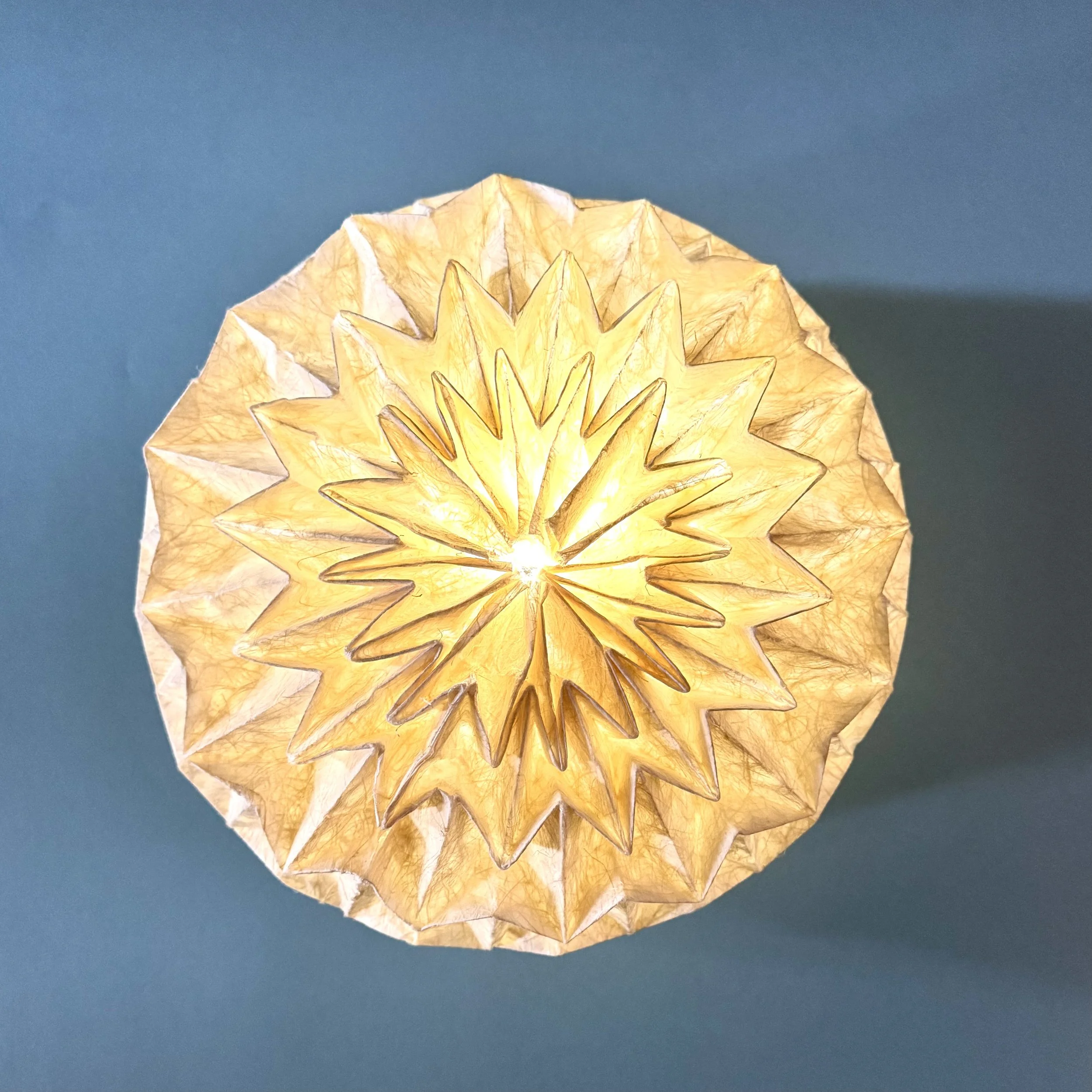
You cannot tear it by hand. Yet it glows, transforms into different shapes, collapses flat for travel, and feels like luxury. Origami is not just art — it is engineering.
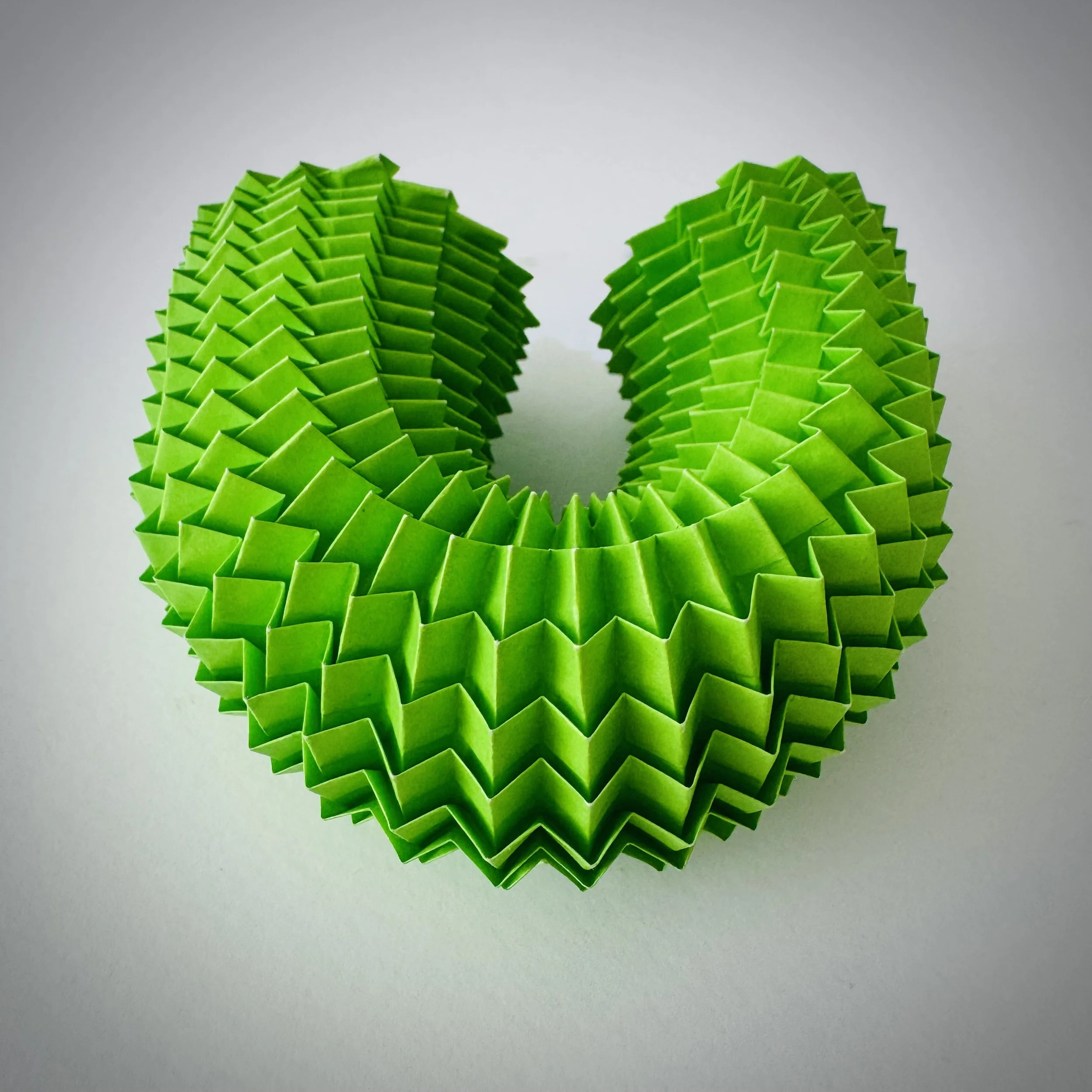
As I fold, it curves like a snake — flexible, alive. Like a hose. Like a spine. I don’t know yet what this will become — but I know it will become something. This is the fold I am most excited about right now.
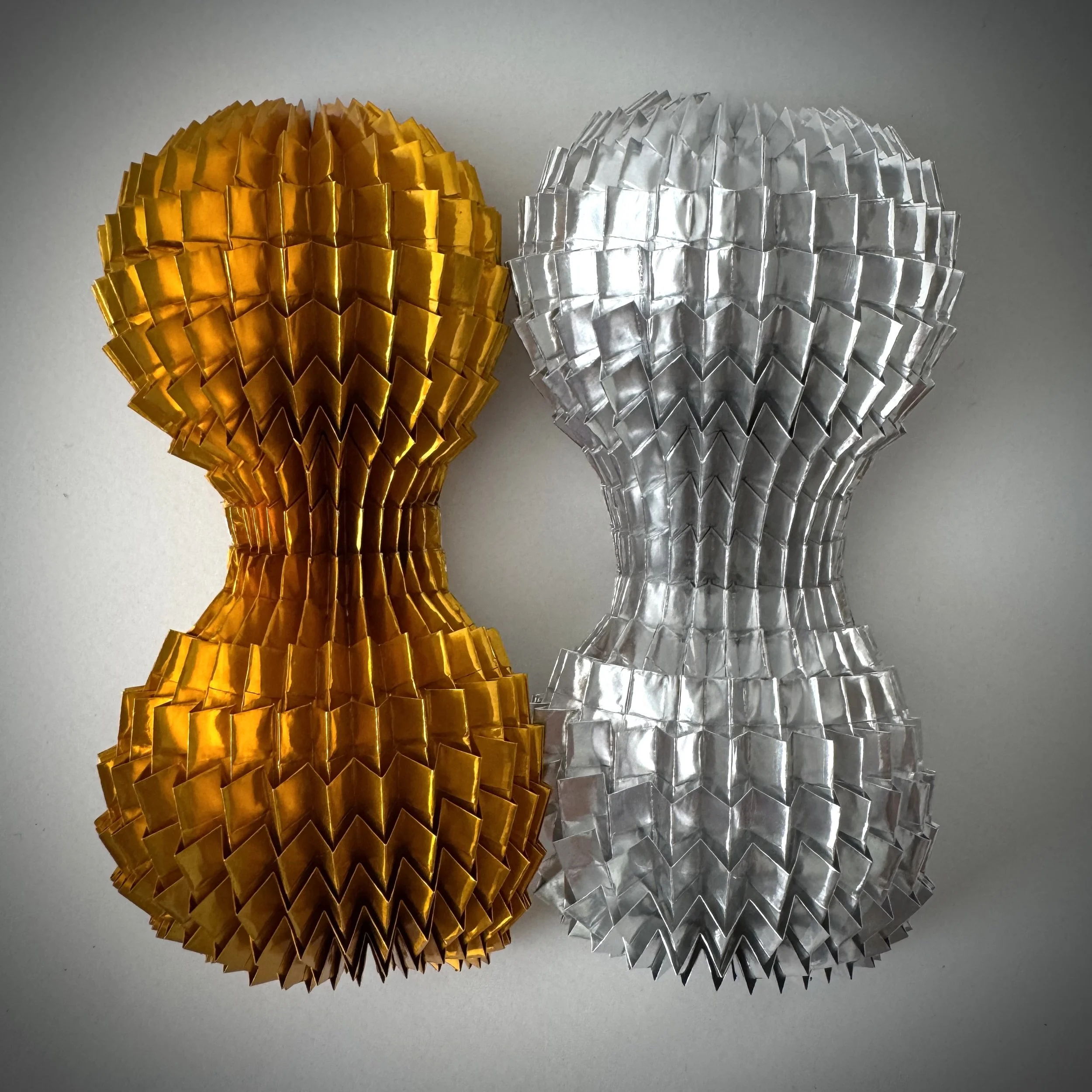
Folded in metallic paper, this piece has a presence that feels nothing like paper. Each depression is structurally reinforced — ready to become part of something. I don’t know what yet, but I know it will be the core of it.
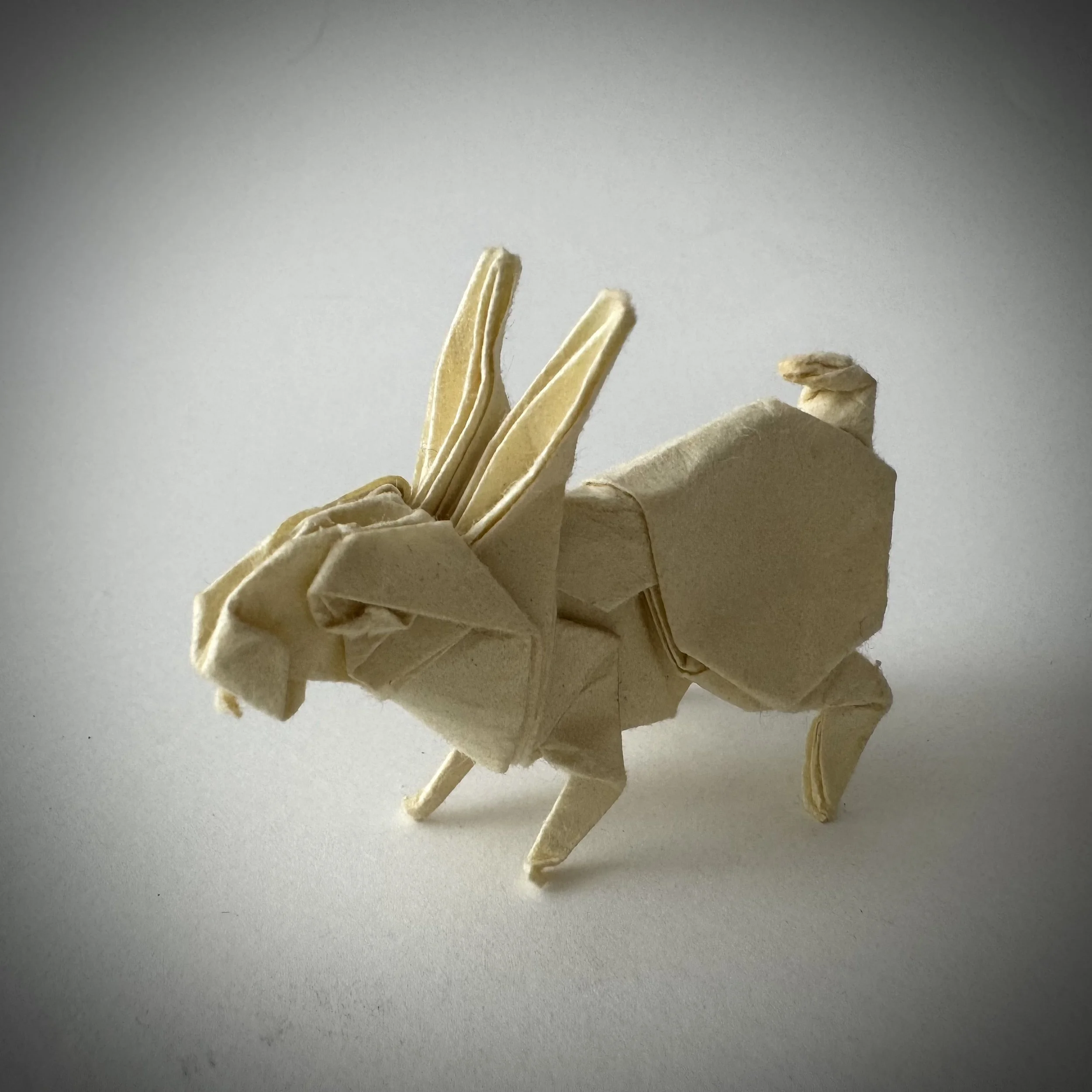
A rabbit, folded from Washi paper. Soft enough to feel alive, strong enough to stand on his own two feet.
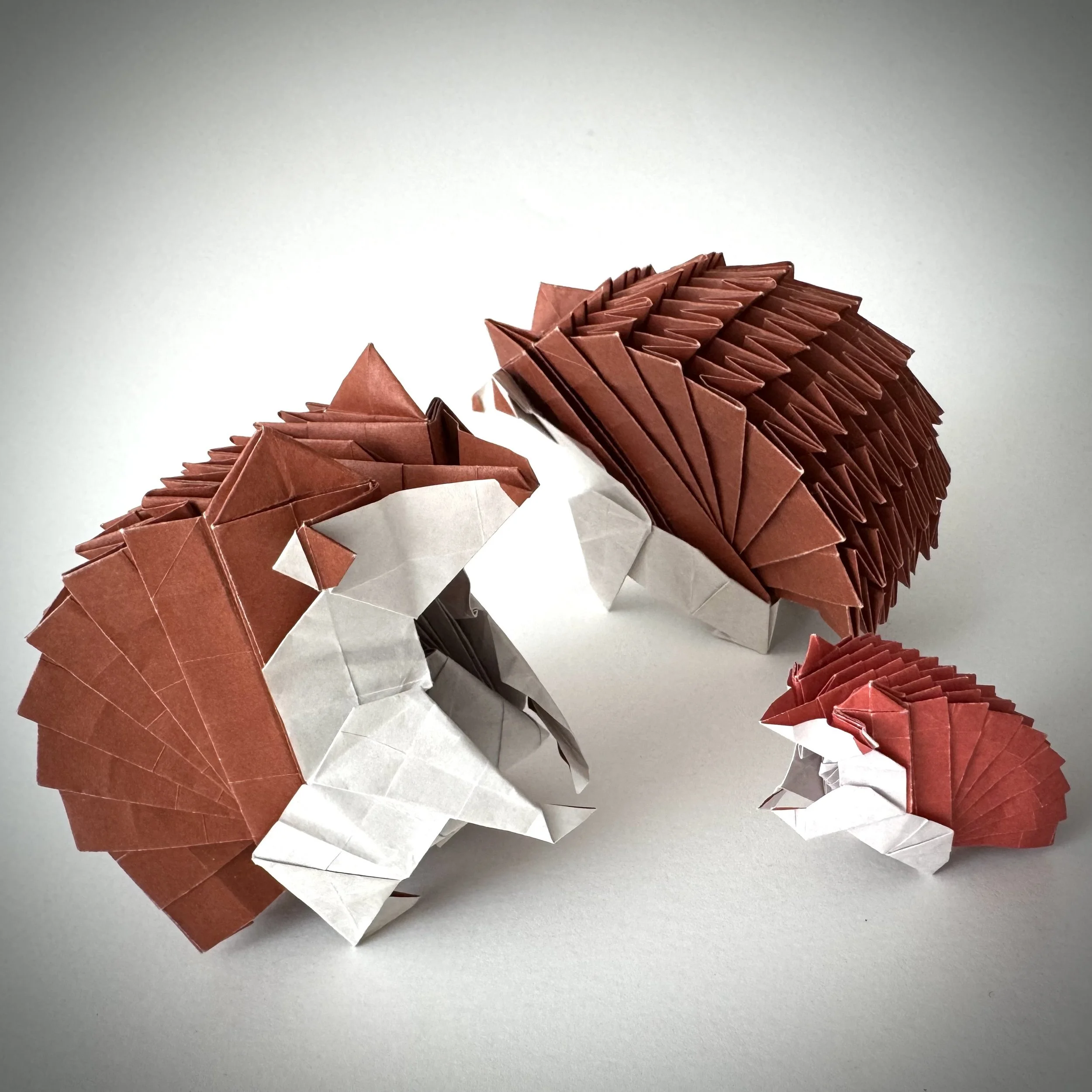
Hello! We are a hedgehog family. Our backs are folded in Miura-ori. Pretty cool, right?
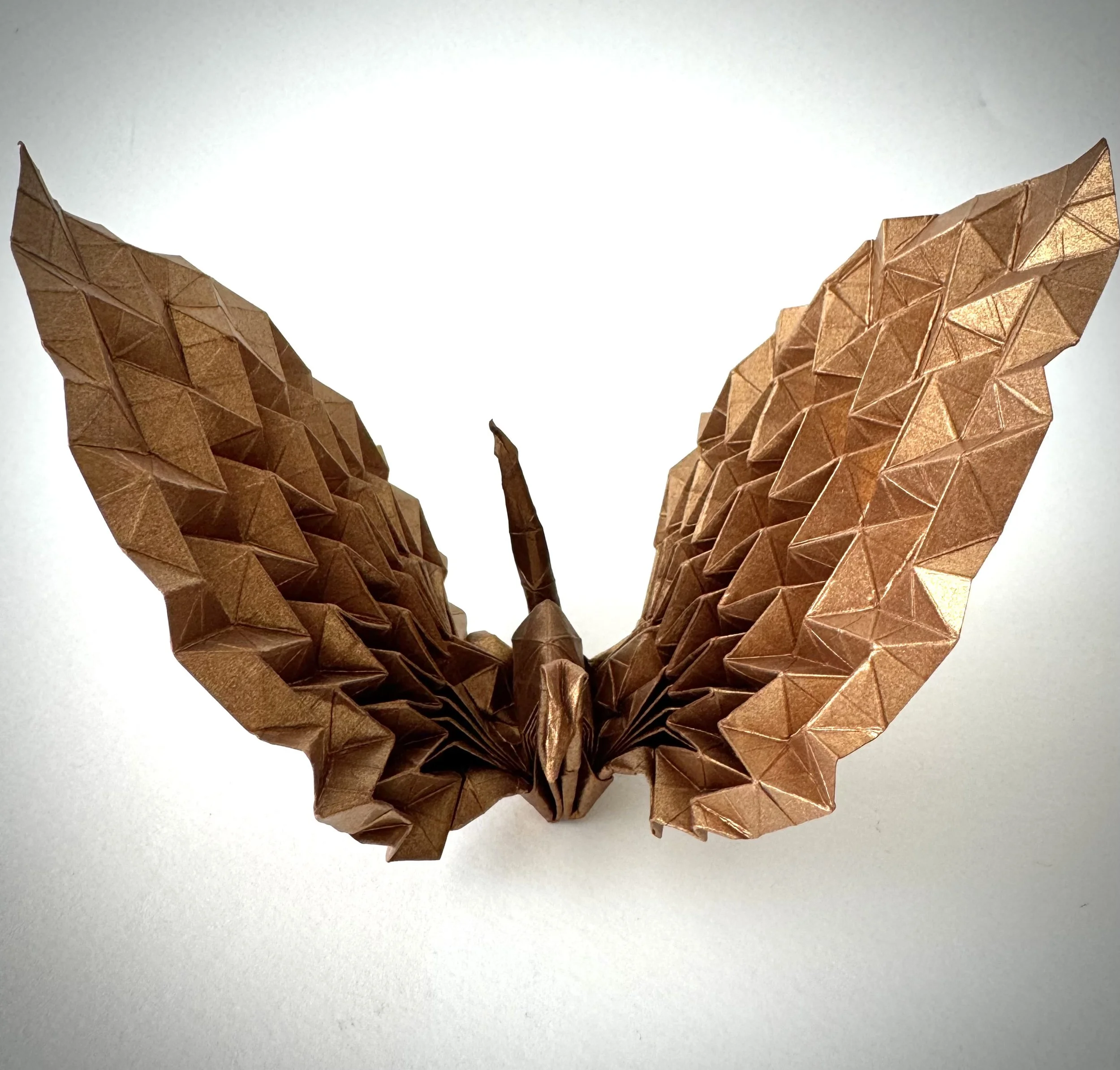
The crane — a symbol of Japan. Every Japanese elementary school student can fold one. But I got bored, so I redesigned the wings in Miura-ori. You’re welcome.
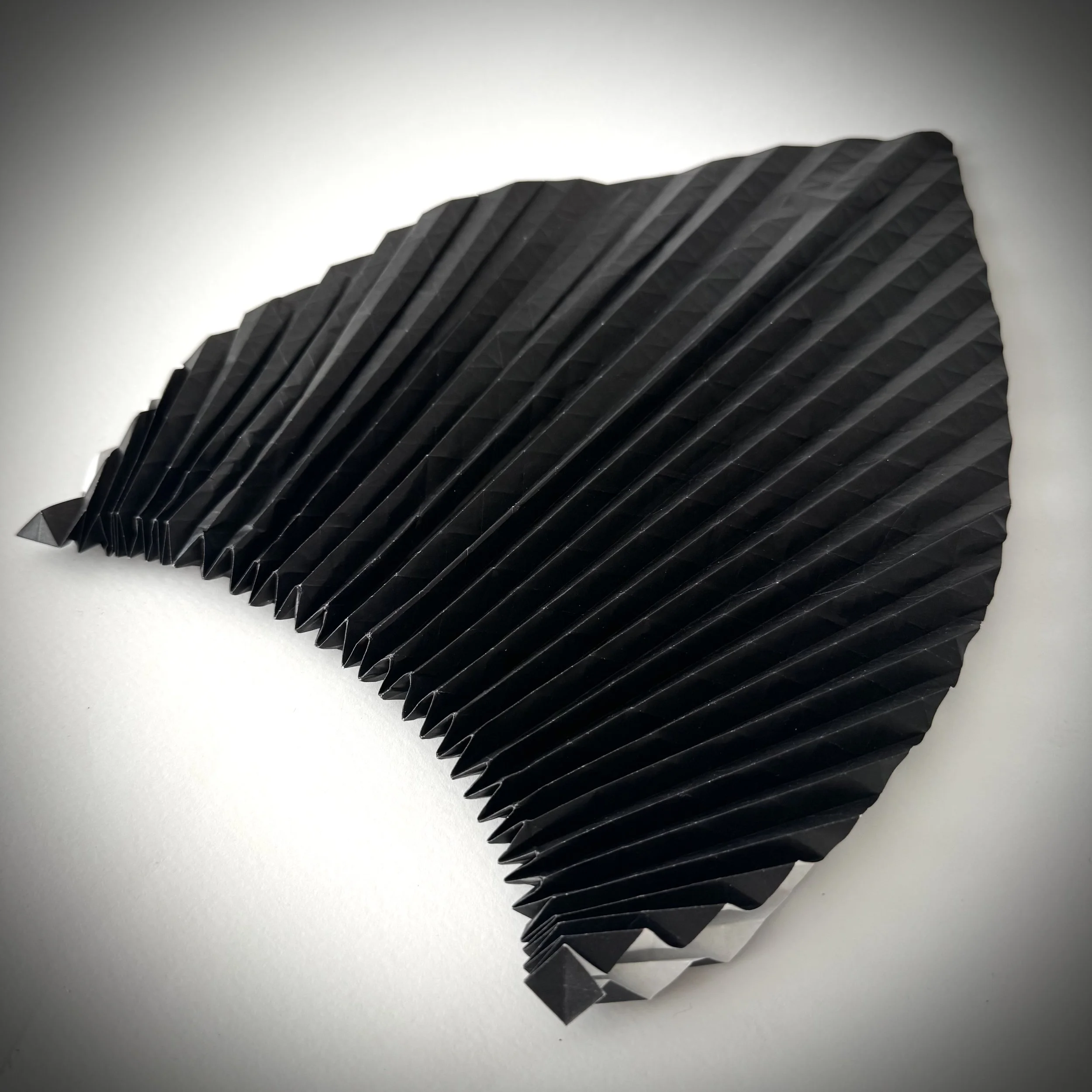
Honestly, I don’t know what I folded. But from a single sheet came something that looks like a shark’s tail, or maybe a fan. I don’t know what it will become yet — but I’m thinking about it.
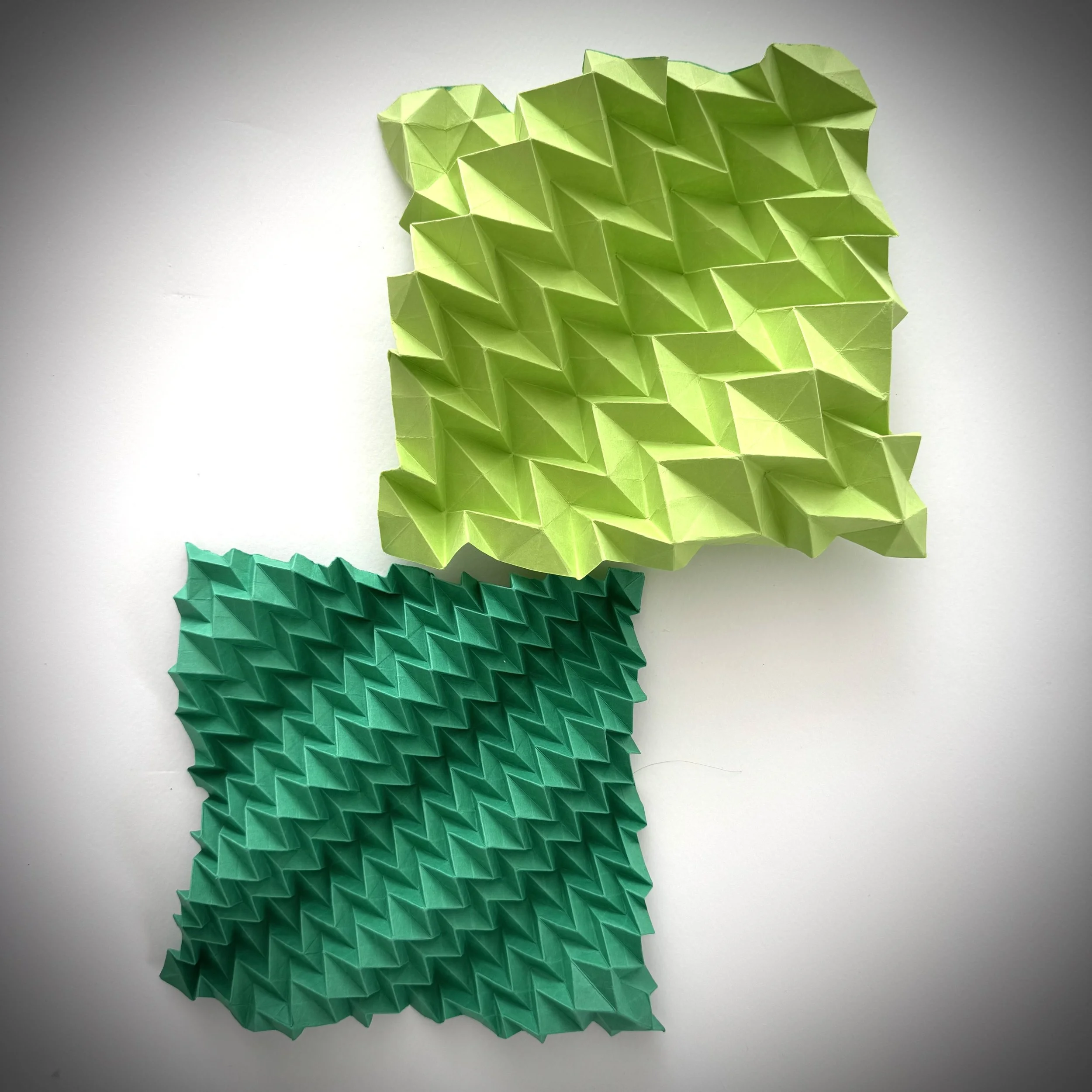
This is the foundation of Miura-ori. I folded this pattern again and again, hundreds of times. It is like Beyer exercises for piano — repetitive, unglamorous, but everything begins here.
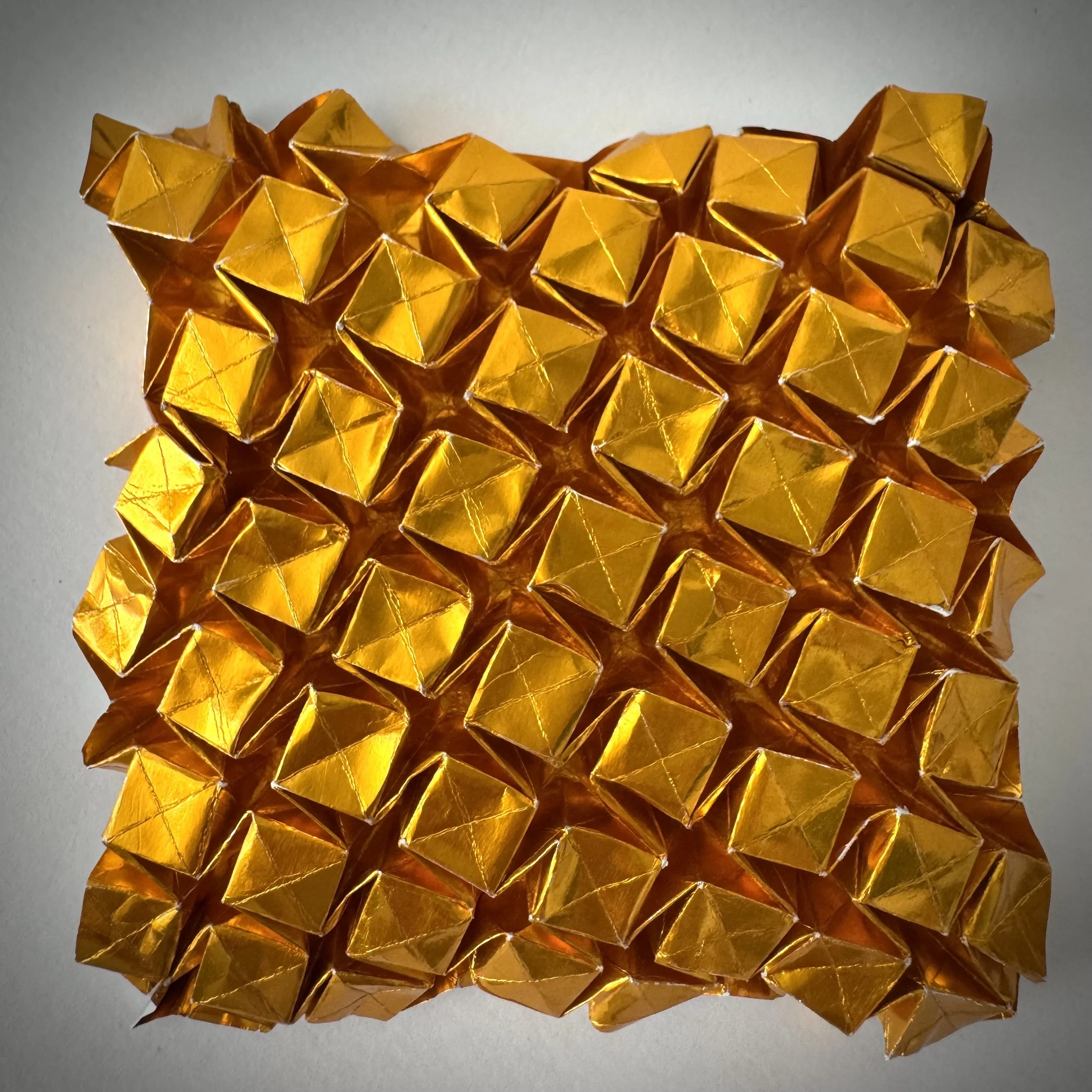
This fold is tedious. One moment of lost focus and it collapses. And it doesn’t compress — you can’t fold it away. But each small square shifts at a slight angle, and that movement must be useful for something. I just haven’t figured out what yet.
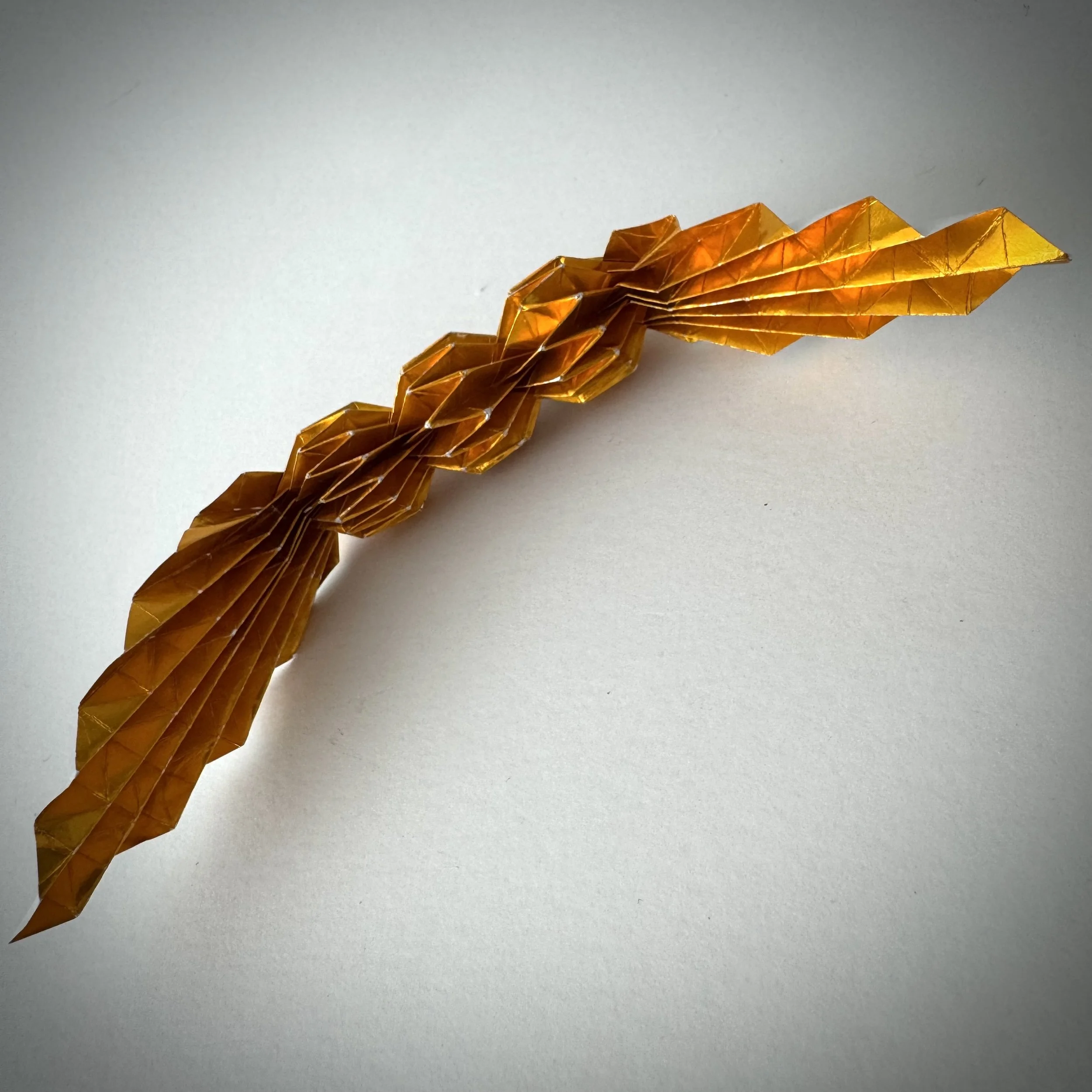
I didn’t plan this. I just folded — and this appeared. Some of my favorite pieces are born this way, changing direction on instinct, with no destination in mind.
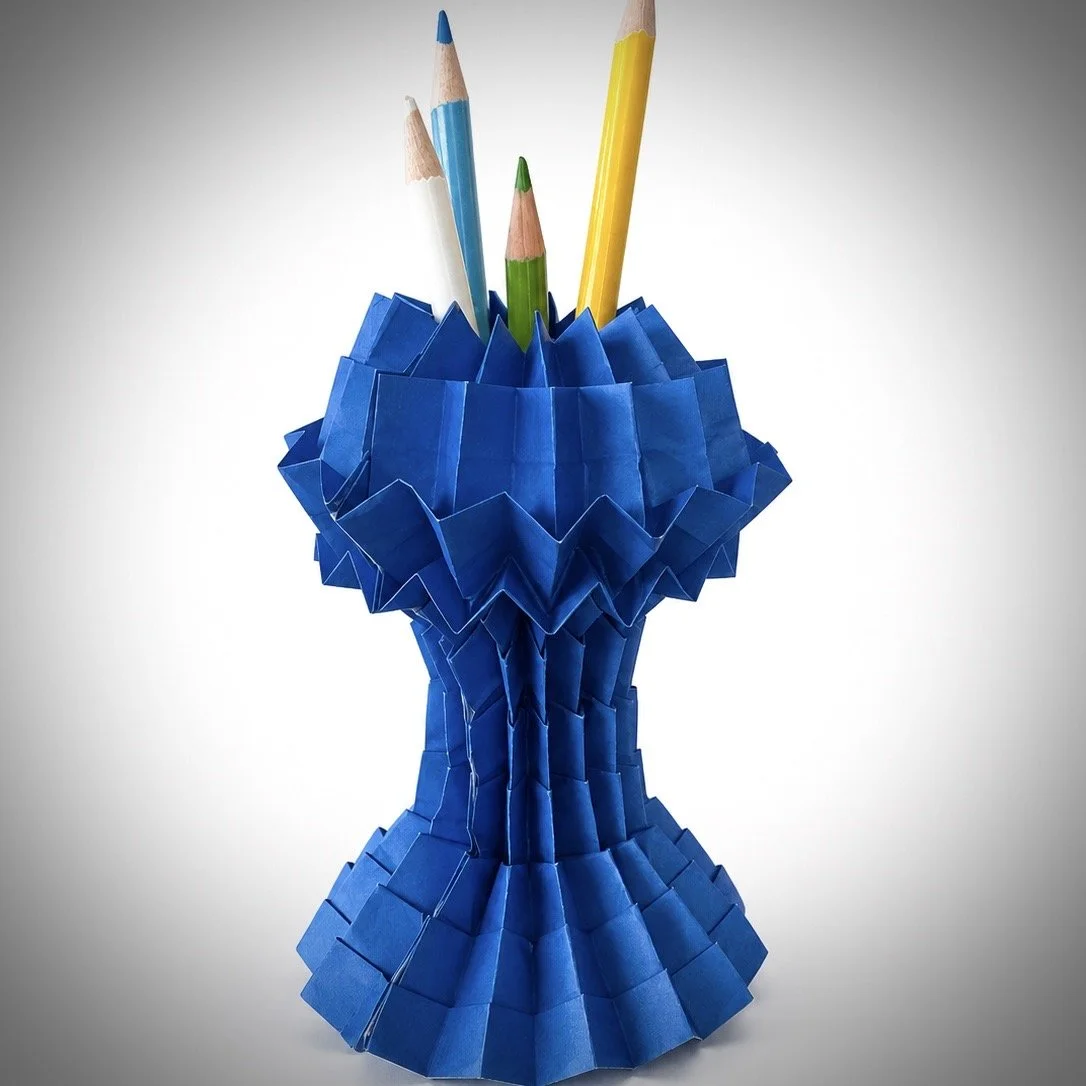
I didn’t plan this. I just folded — and this appeared. Some of my favorite pieces are born this way, changing direction on instinct, with no destination in mind.
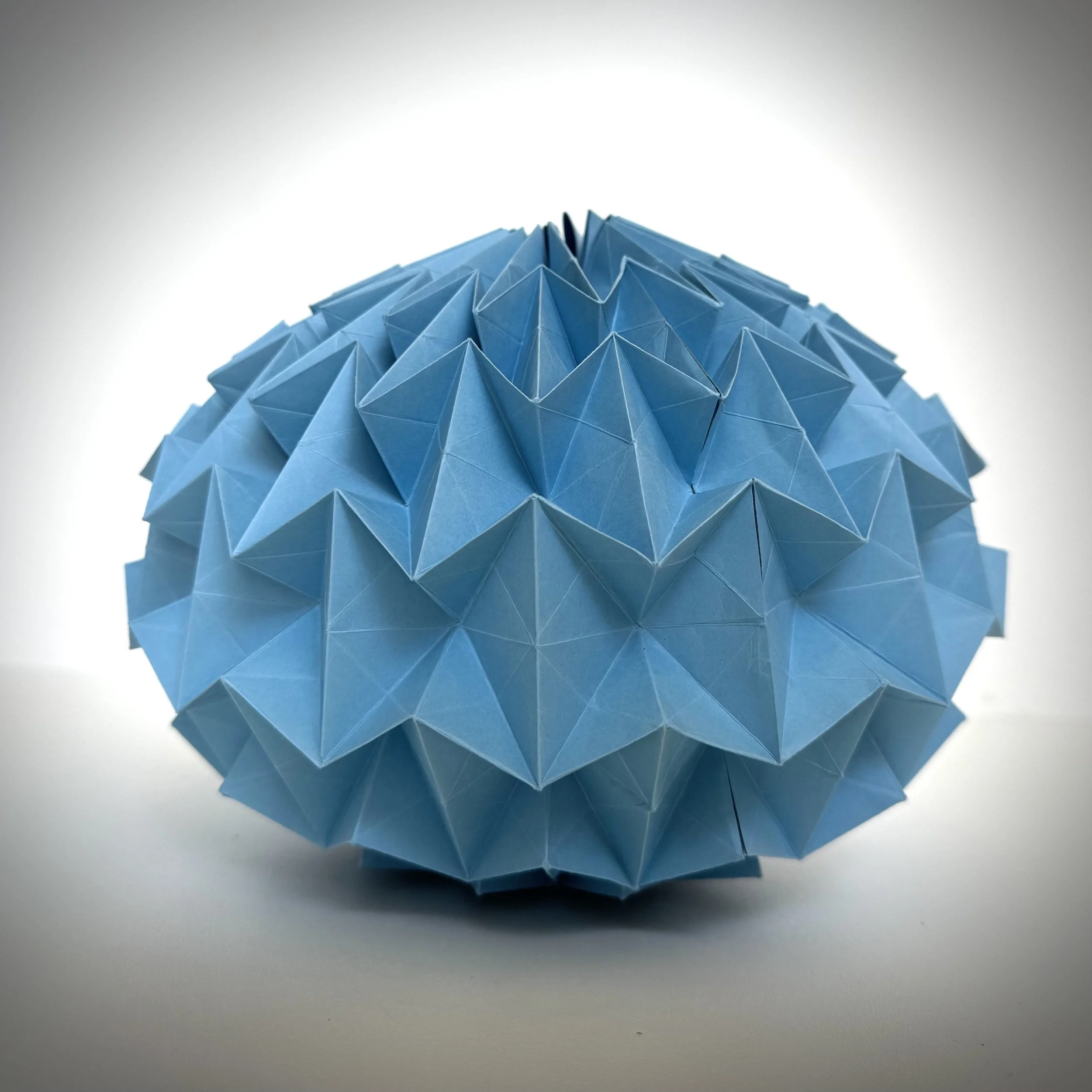
Is it a ball? Is it a tube? This fold refuses to be just one thing
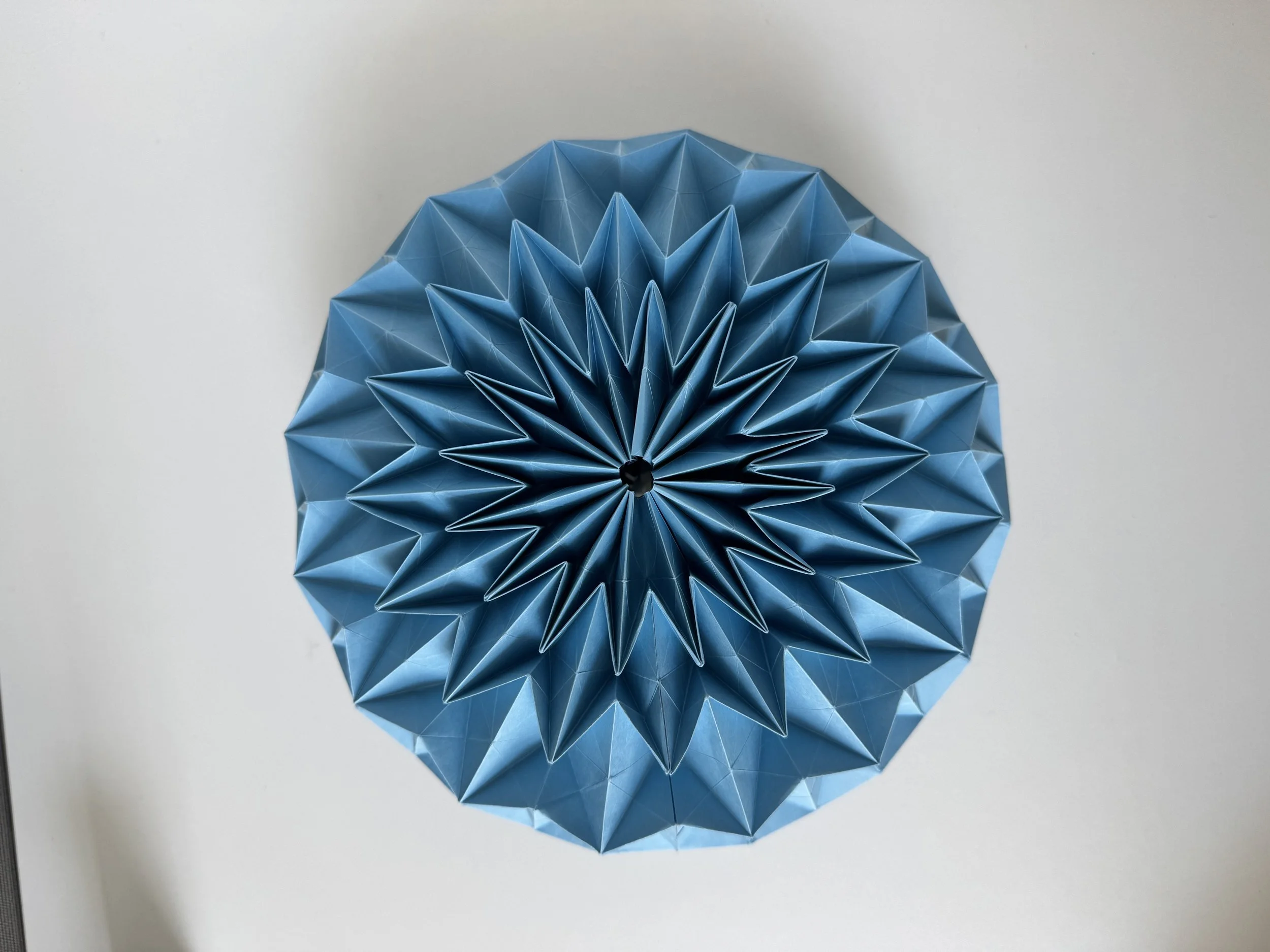
I’ve used it as a lamp, as a sculpture, and yes — I’ve kicked it across the room like a football. It survived.
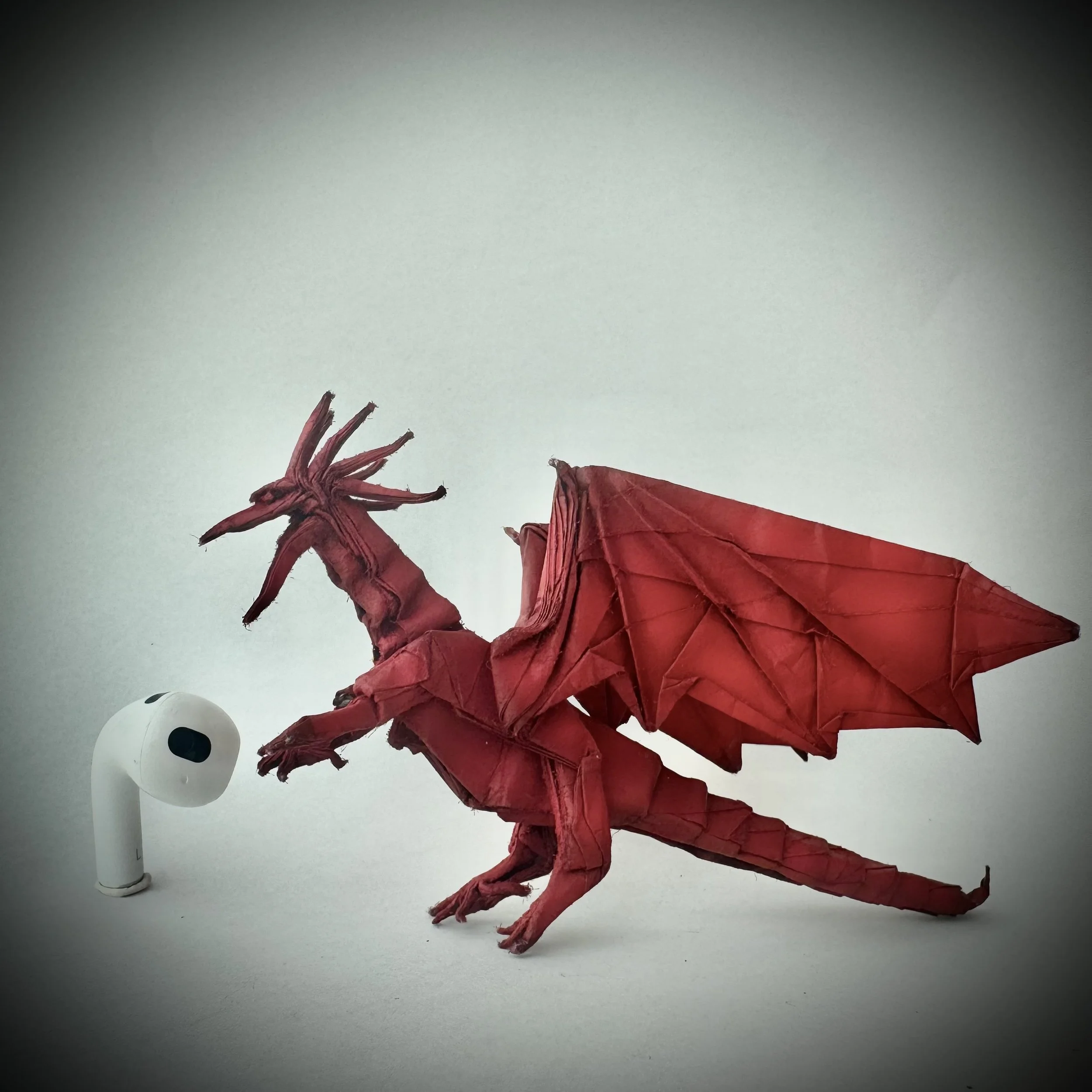
I usually fold my dragons using 90cm x 90cm paper, but this time, I challenged myself to fold one using only 20cm x 20cm. It was a true battle against my own physical limits. By finishing it with a coat of red spray paint, I was able to capture the intensity and presence of the dragon, even in such a small scale.